Having trouble viewing this email? View it in your web browser


Dear Justice-Seeker,

This issue of MFSAVoices is jam-packed with resources and information. So much so that it won't all fit in your email message so be sure to click view entire message at the bottom of this email to view the entire issue. Our newsletters are designed to be used all month long. So take a quick glance and take note of important dates to add to your calendar but also come back in the following weeks to work your way through the action items.  

Gmail users—move us to your primary inbox 

  • On your phone? Click the 3 dots at the top right corner, click "Move to" then "Primary" 
  • On your desktop? Back out of this email then drag and drop this email into the "Primary" tab near the top left of your screen 

We continue to see the urgency of our work to make broad systemic change. Change that honors the dignity and worth of all people, puts people over money, and honors the earth and all her inhabitants. Since 1907, MFSA has been shining a light on injustice and organizing to change it.  

You make our collective work possible by your witness for justice every day in your church, community, and Annual Conference. MFSA does not receive any financial support from the United Methodist Church's giving channels. 100% of our budget is funded through your membership dues and your generosity in giving.


Stories of Hope and Resistance

The church has long been a place where justice is not only preached but lived out in times of political and social upheaval. However, with the arrival of a new administration intent on rolling back hard-won rights and freedoms, faith communities across the country are refusing to remain silent.

This new section of our newsletter is dedicated to sharing the ways churches are standing firm in their commitment to justice. We're excited to highlight actions and movements within faith communities that resist oppression, embody radical hospitality, and insist on a future where love, dignity, and equity prevail.

Whether through direct advocacy, sanctuary efforts, mutual aid, or prophetic witness, these faith communities remind us that another world is possible—and we are called to help create it. If your church is engaged in work that challenges injustice and fosters hope—especially through acts of subversion and resistance against oppressive policies—we want to hear from you.

Here are some stories of hope and resistance:

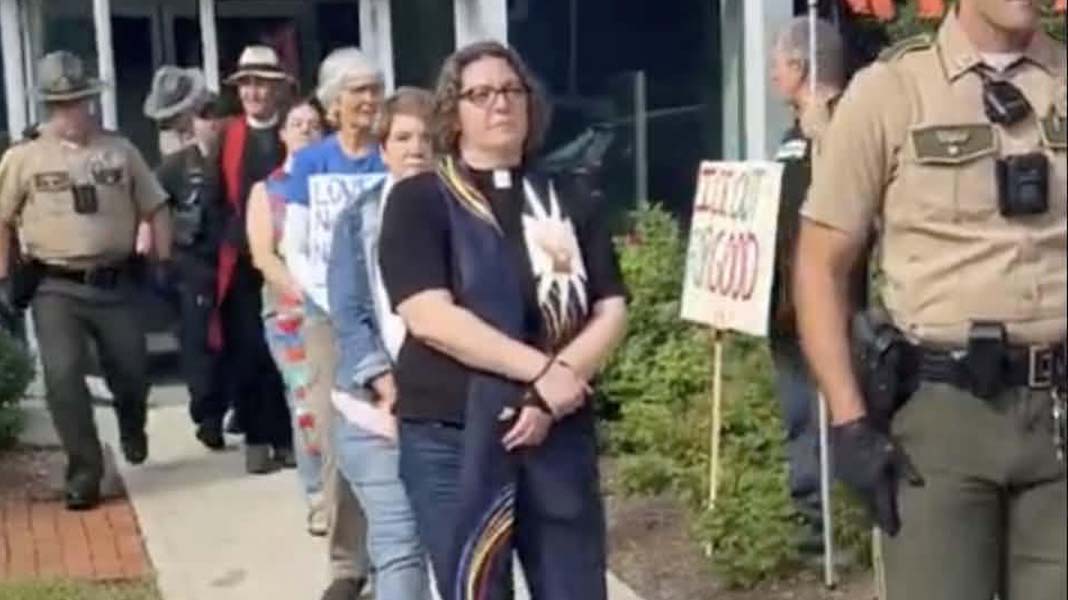
“I think it is imperative on me, as a faith leader, to proclaim that human beings are not targets and that God is a God of justice and of love,” said the Rev. Rebecca Girrell.

Seven Clergy Arrested While Protesting ICE Targeting Center

“It’s gratifying to witness the Council’s commitment to climate renewal and more sustainable approaches,” said the Rev. Sharon Delgado of the United Methodist Creation Justice Movement.

Council of Bishops Participate in Climate Action Training


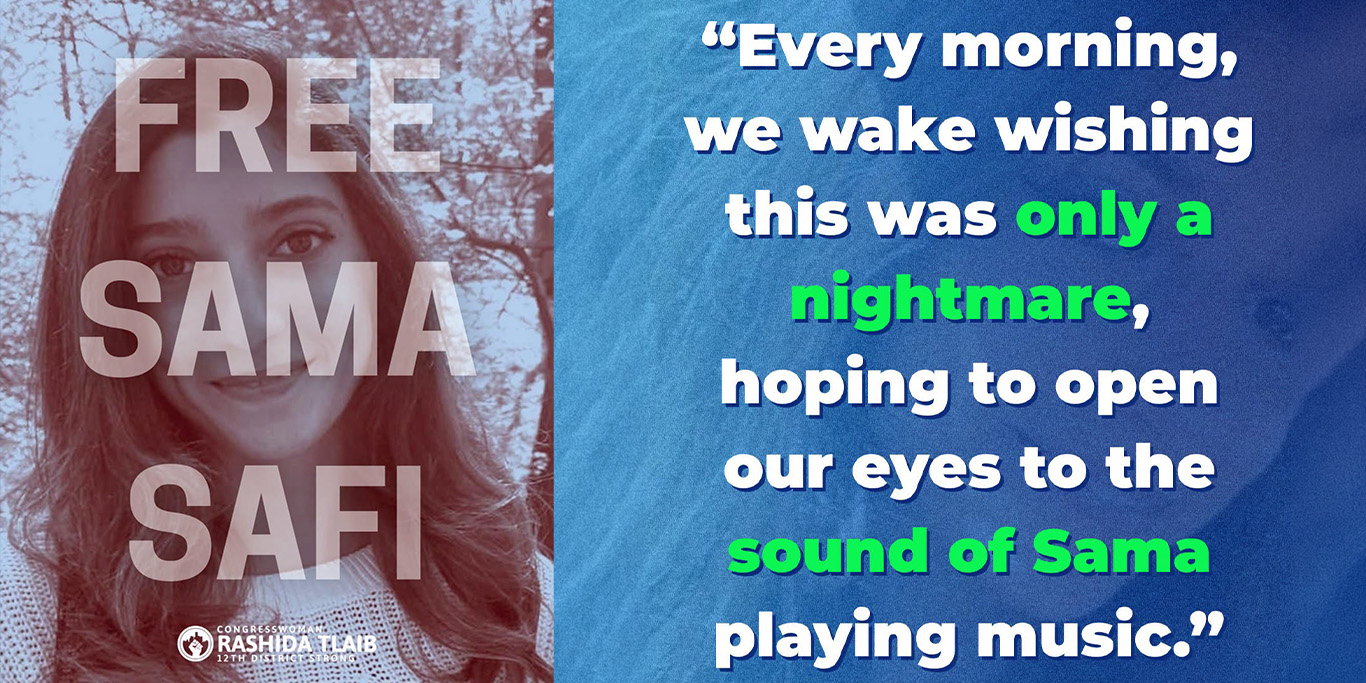
MFSA Joins Letter To Demand Release of U.S. Citizen in Israeli Military Prison

U.S. Rep. Rashida Tlaib, 40 colleagues demand release of U.S. citizen in Israeli military prison in bicameral letter

U.S. Rep. Rashida Tlaib (MI-12) led 40 Members of Congress, including six Senators, in a letter to U.S. Secretary of State Marco Rubio, demanding the immediate and permanent release of U.S. citizen Sama Safi, a 20-year-old student with a severe chronic health condition, from Israeli military prison. On June 2, in the middle of the night, Sama was torn from her family’s home in the occupied West Bank as part of a series of raids targeting Birzeit University students.


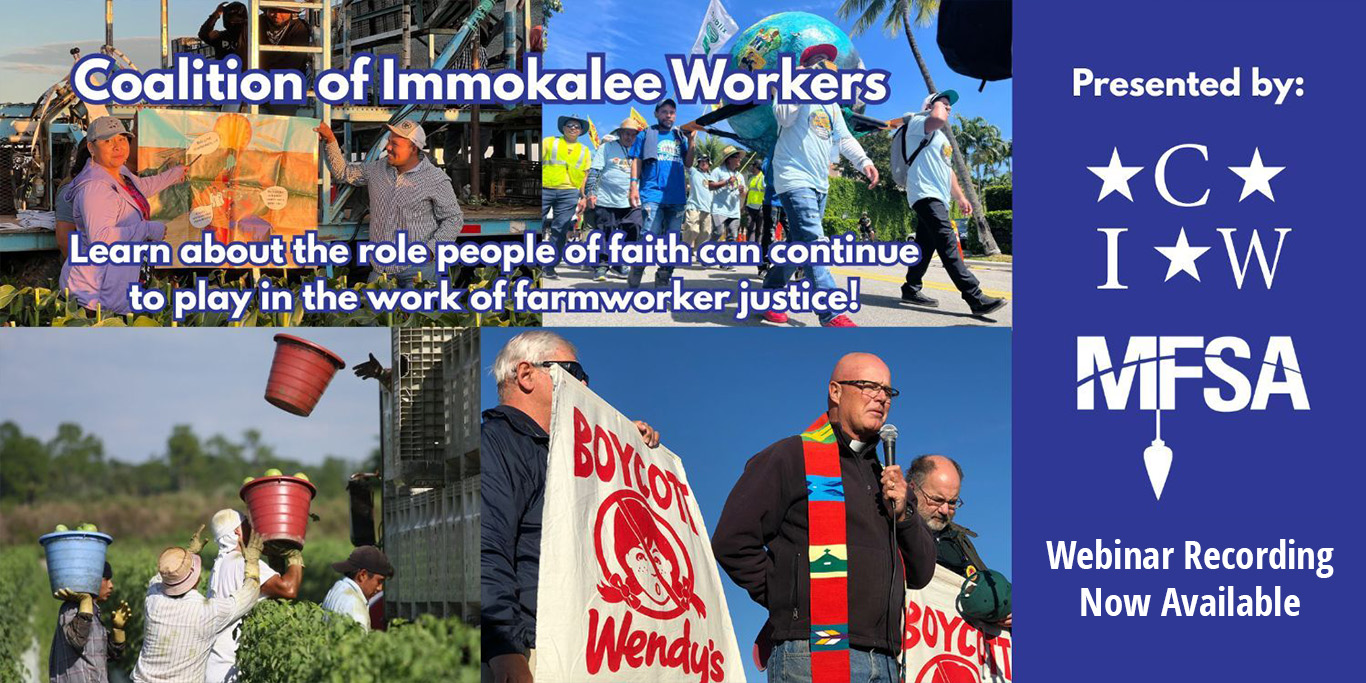
WEBINAR: Farmworker Justice and Faith

Webinar Recording Now Available

Presented by the Coalition of Immokalee Workers (CIW) and Methodist Federation for Social Action (MFSA). 

Throughout the history of American agriculture, those who work the land have been vulnerable to abuse and injustice. It was these conditions that led farmworkers in Immokalee, Florida, to begin organizing their community in the hopes of a positive change in their industry. Will you stand with farmworkers as they continue to advocate for fair treatment at work, fair wages, and an end to persistent issues like violence, sexual harassment, and modern-day slavery?

Learn about the history of the Coalition of Immokalee Workers (CIW), the Campaign for Fair Food, and the Fair Food Program (FFP). Faith leaders and their congregations have always been an important part of the Fair Food movement, and there are still many ways to support the CIW and the FFP. Tune in to find out more! 

The Coalition of Immokalee Workers is a worker-based human rights organization internationally recognized for its achievements in the fields of social responsibility, human trafficking, and gender-based violence at work. Learn more at ciw-online.org/about.


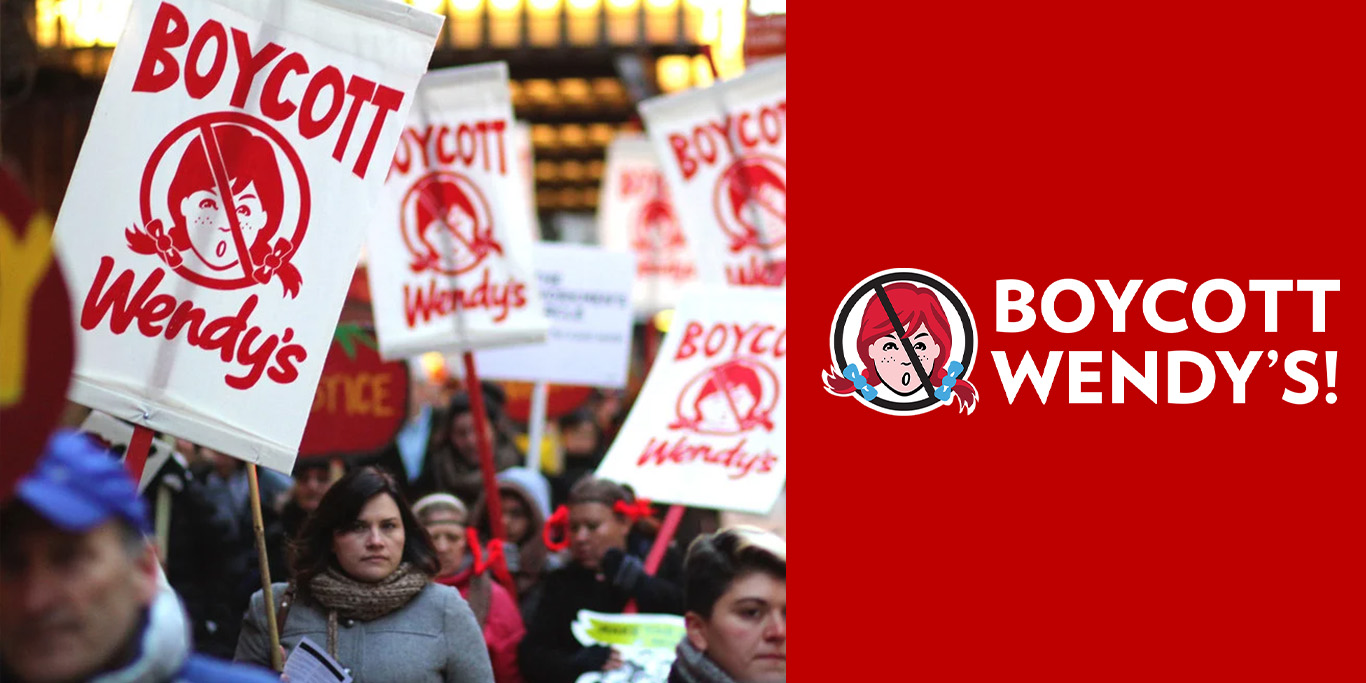
Boycott Wendy's!

Join thousands of farmworkers, students, people of faith, and consumers of conscience in refusing to buy from Wendy’s until it joins the Fair Food Program!

For over a decade, Wendy’s has ignored the demands of thousands of farmworkers with the Coalition of Immokalee Workers (CIW) and their consumer allies for verifiable protections against sexual violence, forced labor, and other human rights abuses in its supply chain. While many of the largest fast-food companies and major food retailers — from McDonald’s to Walmart — have joined the Fair Food Program, Wendy’s remains the last major fast-food holdout.

Since its implementation, the Fair Food Program (FFP) has eliminated modern-day slavery and sexual violence, improved farmworker wages for the first time in decades, and guaranteed basic protections for workers. 


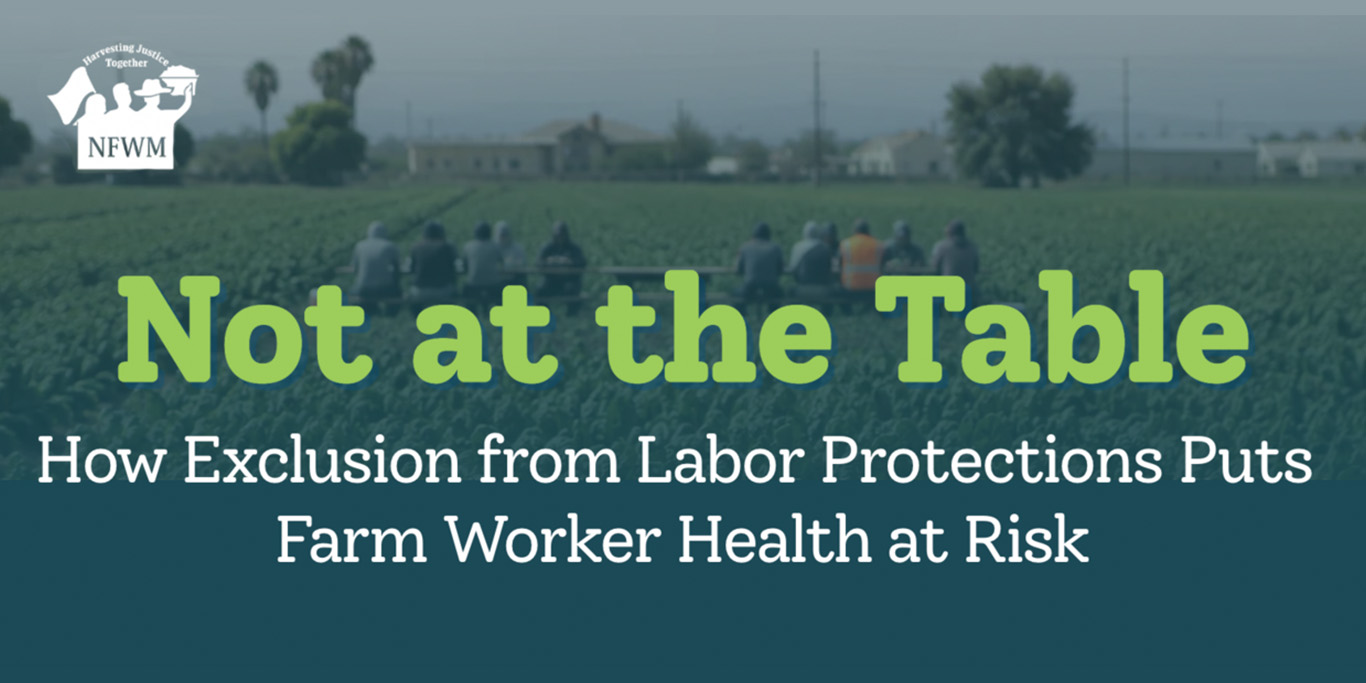
NFWM Webinar - Not at the Table: How Exclusion from Labor Protections Puts Farm Worker Health at Risk

Wednesday, October 14 at 12 PM ET / 9 AM PT

Farm workers have historically been excluded from key labor and workplace protections, and those exclusions continue to shape health, safety, dignity, and workers’ ability to speak up today. Join the National Farm Worker Ministry on Wednesday, October 14 at 12 PM ET / 9 AM PT for Not at the Table: How Exclusion from Labor Protections Puts Farm Worker Health at Risk as we explore the history of these exclusions, their ongoing impact, and what they mean for farm workers today.


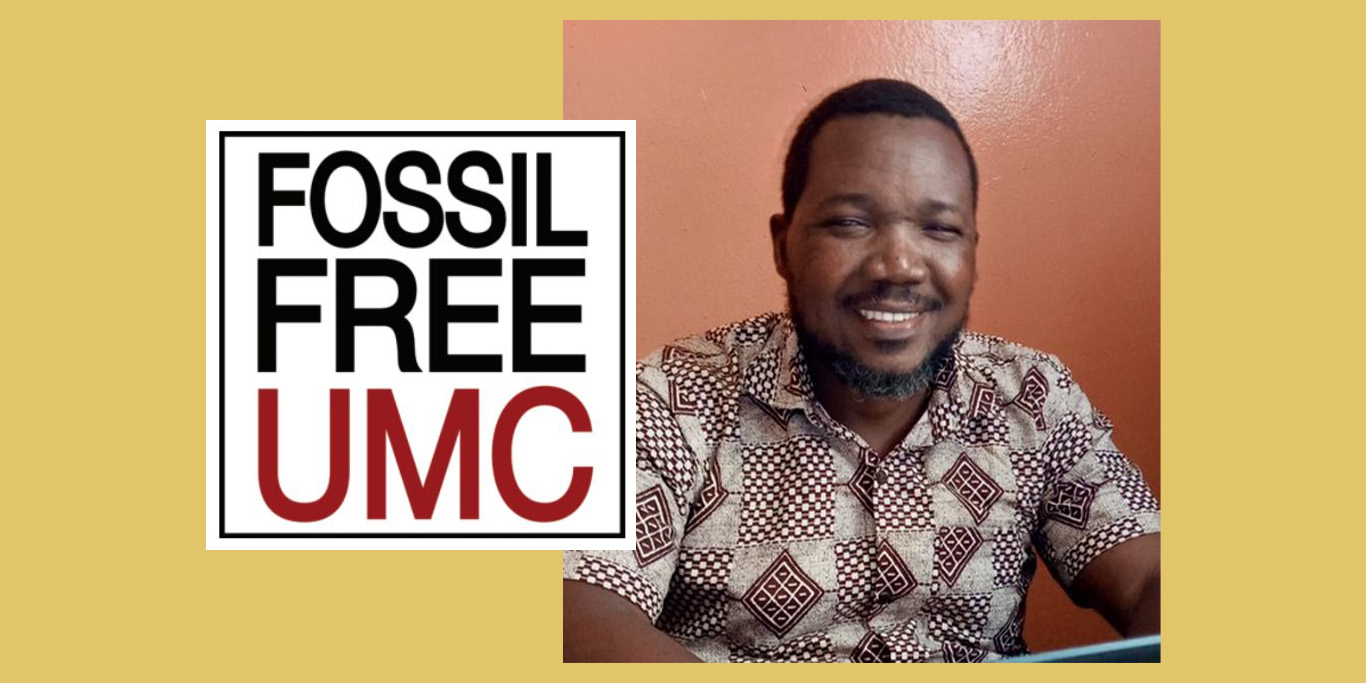
The Unjust Burden: Why The United Methodist Church Should Support Climate Debt Cancellation in Africa

By Jefferson Boye Knight, Director of Human Rights Monitor

Climate debt cancellation in Africa is a human rights imperative. See Resolution #4053 (Global Debt Crisis: A Call for Jubilee) in the Book of Resolutions of the UMC: “The Sabbath tradition of the jubilee vision is as relevant today as it was thousands of years ago. Debt bondage by the poorest countries to rich nations and financial institutions is today’s new slavery… For many countries left behind by world leaders, the burden of repaying debt continues to prevent them from providing adequate health care, education, and food for their people”.

The global climate emergency has created a severe moral and economic paradox. Low-wealth developing nations, particularly across Africa, contribute less than 4% of global greenhouse gas emissions. Yet, these countries bear the heaviest burden of climate-induced disasters, including prolonged droughts, catastrophic floods, and devastating sea-level rise. Rather than receiving direct compensation or non-repayable grants, these nations are routinely forced into a compounding cycle of debt to recover from extreme weather events they did not create.


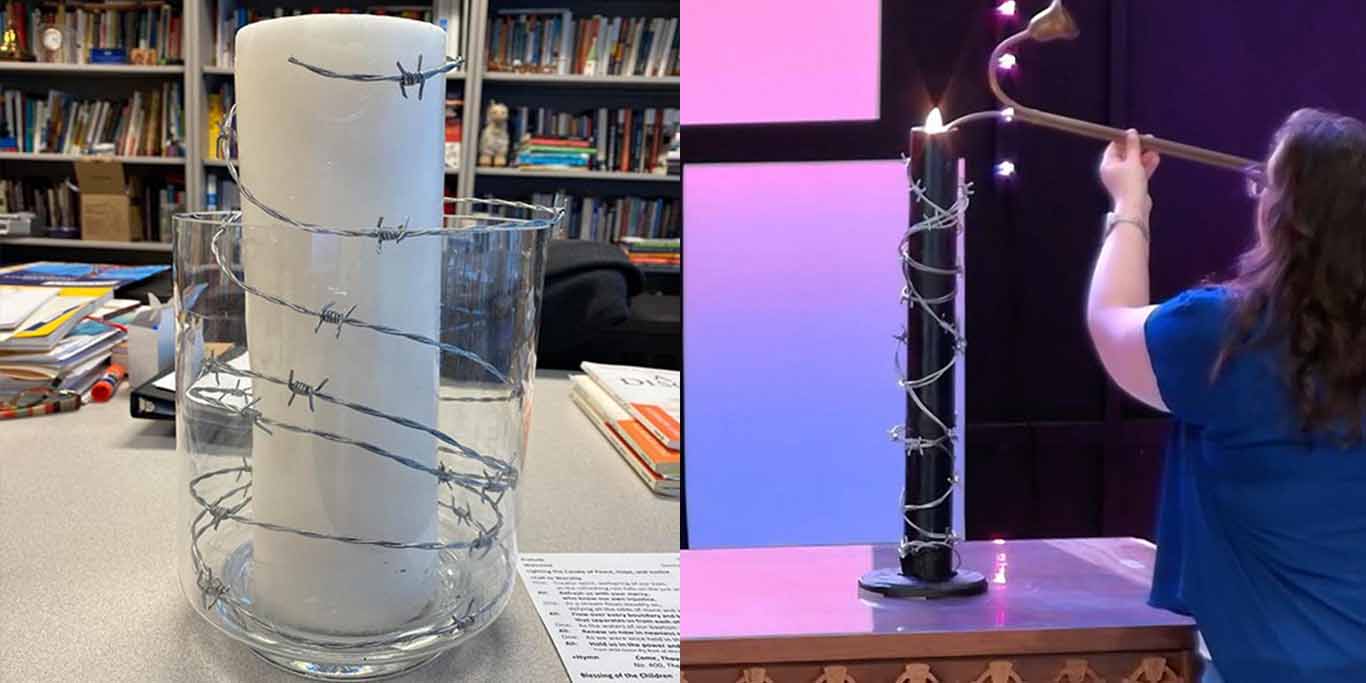
Lighting the Candle of Peace, Hope, and Justice

As we navigate the realities of this new administration, justice-seeking congregations across the country are standing in solidarity with those targeted by oppressive policies. We've seen churches respond by incorporating the Candle of Peace, Hope, and Justice into their worship services, lifting up prayers and commitments to resist injustice.

Inspired by the Central Methodist Mission in Johannesburg, which lit a candle encircled in barbed wire during the struggle against apartheid, Rev. Dr. Donna Claycomb Sokol of Mount Vernon Place UMC in Washington, D.C., is one of the pastors who has reintroduced this practice. Rev. Andy Oliver of Allendale UMC in St. Petersburg, Florida, is another. Now, more than 50 congregations—including several MFSA-aligned churches—have joined this movement, lighting a candle each week and naming those suffering under policies of cruelty and exclusion.

Recently, churches have lit the candle:
🕯️ For migrants—asylum seekers facing deportation, undocumented families living in fear, and faith leaders offering sanctuary.
🕯️ For federal workers—those losing their jobs, living in uncertainty, or suffering retaliation for speaking out.
🕯️ For USAID—millions impacted by halted humanitarian aid, from hungry children to struggling farmers.
🕯️ For the National Institutes of Health—patients, researchers, and those dependent on lifesaving medical advancements.
🕯️ For the conflict in Ukraine—those enduring war, Russian dissidents, and leaders seeking true peace.
🕯️ For the judicial branch—judges facing threats, courts upholding the rule of law, and those caught in legal battles over justice.
🕯️ For institutions of higher education and students—scholars facing retaliation, lost funding, and threats to free expression.

Each time the candle is lit, congregations proclaim that the light shines in the darkness, and the darkness has never overcome the light.

You can access the liturgy below. This document will be updated weekly, with liturgy uplifting a new group targeted by this administration.

In this moment, as faith communities, we must recommit to resisting evil, injustice, and oppression in all its forms. Together, we will continue to bear witness, proclaim justice, and keep the light shining.


From Grace to Transformation:
A Wesleyan Call to Racial Justice at MFSA

August 2026 | Bridget Cabrera

From Grace to Transformation: A Wesleyan Call to Racial Justice at MFSA

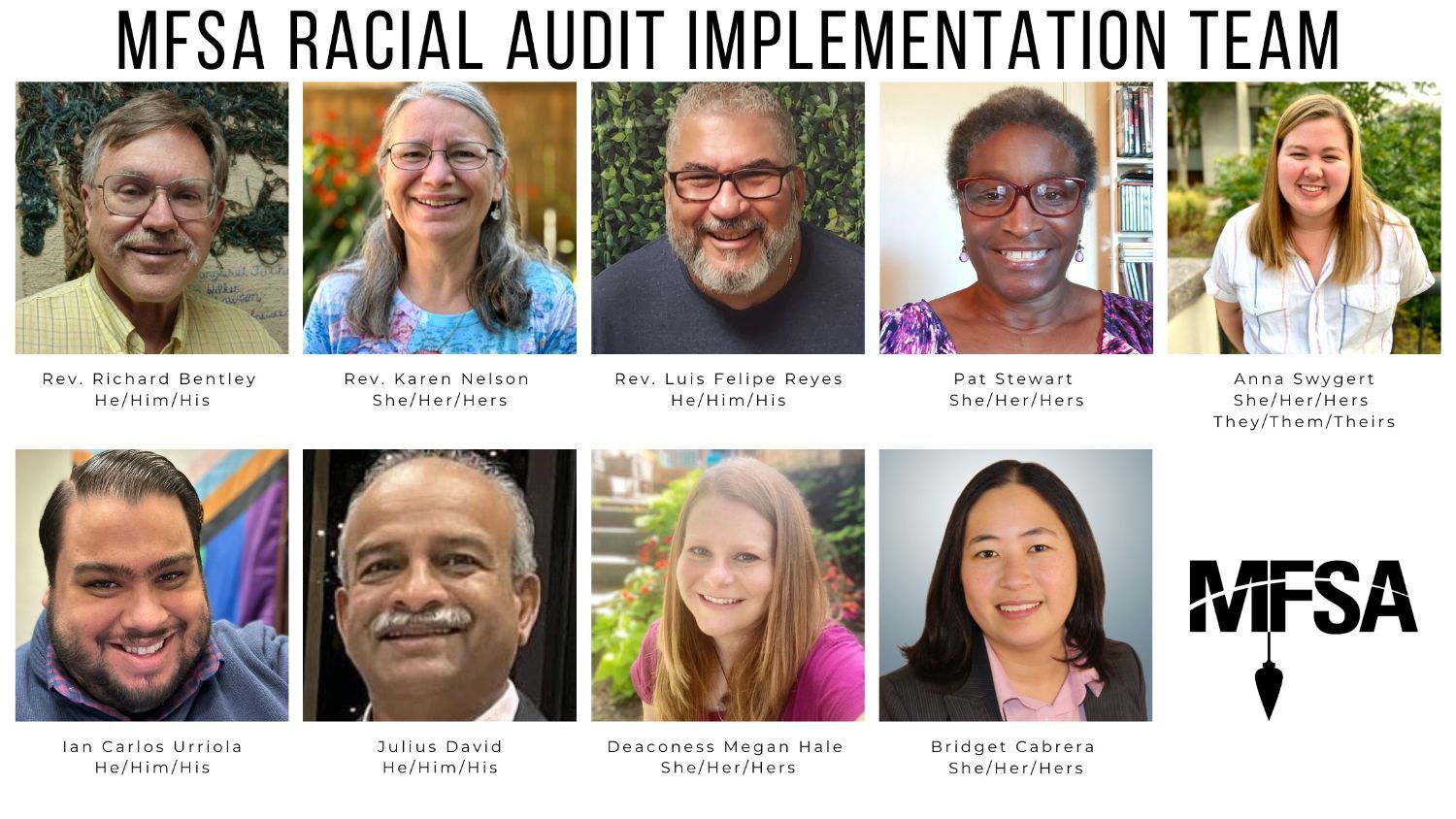
Note: ​In June 2023, the Methodist Federation for Social Action (MFSA) Board of Directors established the Racial Audit Implementation Team to carry forward the recommendations from the comprehensive Racial Audit. This work represents our deep commitment to becoming an anti-racist organization. Bridget Cabrera is a member of that team, and this reflection is part of our collective journey to name, confront, and transform the white dominant culture within MFSA. It emerges from ongoing conversations centered on six key themes/patterns of white supremacy identified within our organization. These are the entrenched patterns we are actively working to disrupt as we move toward the liberation and equity we seek.  

We are sharing these reflections and insights publicly with our movement because accountability, transparency, and shared learning are essential to dismantling white supremacy. We know that transformation does not happen in isolation. By sharing our process, struggles, and growth, we hope to invite our broader community into this work with us—offering tools, solidarity, and space for mutual reflection as we continue building a more just and faithful movement. 

Theme 2: MFSA functions as an organization of and for white progressives, prioritizing white power and control, which results in a lack of investment in and abdication of responsibility to be accountable to People of Color communities. 

One of the most important parts of this work has been the conversations happening within MFSA's Racial Audit Implementation Team. These have not always been easy conversations, nor should they be. We have been asked to sit with uncomfortable truths, to listen to experiences that challenge our assumptions, and to examine not only what MFSA hopes and intends to be, but how our structures and practices have done harm. We have had to ask difficult questions about power, accountability, investment, leadership, and what it means to move beyond a commitment to racial justice toward an organization that is in real, mutually-accountable relationships with people of color communities. The following is my attempt to share some of what I have been learning through these conversations, the tensions and questions I continue to carry, and what I believe this moment of truth-telling and transformation is asking of us as an organization.

Telling the Truth: The Work of Justifying Grace

In the Wesleyan tradition, justifying grace is the grace that makes truth-telling possible. It is the grace that reconciles us to God and to one another, not by minimizing what has been done, but by giving us the courage to name it honestly and to believe that naming it is not the end of the story.

MFSA needs that grace right now. Because the truths named by our racial audit are not easy to hold.

Theme 2 of the audit identifies something structural and stubborn: that MFSA has functioned as an organization of and for white progressives, prioritizing white power and control in ways that have resulted in a failure to genuinely invest in, and an abdication of responsibility to be accountable to, people of color communities. This is not simply a description of who has held leadership positions or what our demographics look like. It goes deeper than that. It names the way power has operated, who has shaped our culture, whose voices have been centered, where resources have flowed, and who has been expected to adapt to a dominant culture rather than share in defining it.

What makes this particularly difficult is that it describes an organization that has long understood itself as committed to justice. MFSA was not indifferent to race. We talked about racial justice. We advocated for it. And yet, the audit names the gap between what we professed and how we were actually structured, between the values we articulated and the accountability we failed to practice.

Justifying grace does not allow us to look away from that gap. It asks us to stand in it, to call it what it is, and to let that truth become the ground from which something new can grow.

How the Pattern Shows Up

One of the most important things our team conversations have surfaced is that these patterns rarely announce themselves. They do not usually arrive as deliberate choices to exclude or marginalize. They arrive as habits: as the path of least resistance when time is short, capacity is stretched, and the pressure to act is high. They are the result not of malicious intent, but of a failure of intentionality. And that distinction matters because it means the work of transformation is not primarily about identifying bad actors. It is about interrupting deeply embedded defaults.

Consider what happens when planning happens at the last minute. When we wait too long to organize around a major convening or campaign, we default to what we have always done: the same voices, the same partners, the same approaches. There is no time to collaborate broadly, no space to ask who is missing from the table, no room to do the slower work of building something together. Urgency becomes a reason to replicate the past rather than reimagine it. And because the past was shaped by white dominant culture, defaulting to it is not neutral. It is a choice, even when it does not feel like one.

Or consider what happens in moments of crisis, when a significant issue demands a public response. There can be pressure, sometimes genuine, sometimes ego-driven, to be the first to speak. But being first is not the same as being faithful. It is often better to walk slowly together than to run ahead alone. When we rush to make a statement without consulting the communities most affected, without asking whose voice should lead, we are again centering our own instincts over accountable relationships. We communicate, however unintentionally, that our visibility matters more than their leadership and experience.

And then there is the question of who leads over time. When we have not invested in developing new leaders, when we have not shared power, built pipelines, or created genuine pathways for people of color to shape MFSA's direction, we find ourselves with the same leaders doing the same things, often resistant to new approaches simply because the organization has never built the capacity to hold them. 

These patterns compound. Each instance may seem small. Together, they produce an organizational culture that centers whiteness not by design, but by default, and default is enough to cause harm.

The Long Work: Sanctifying Grace and Structural Change

If justifying grace gives us the courage to tell the truth, sanctifying grace is the grace that transforms us in light of it. In the Wesleyan tradition, sanctification is not a moment but a process, the slow, ongoing work of being made holy, individually and together, through practice and discipline over time.

This is where MFSA now stands. The truth has been named. The question before us is whether we will allow it to do its sanctifying work, or if we will acknowledge it and move on, leaving the underlying patterns intact.

Sanctifying grace, in this context, looks like institutional conversion. It means moving beyond statements of commitment to the actual reordering of how we operate. Concretely, this means:

  • Experimenting with new ways of meeting and making decisions, practicing new ways of doing things that center shared accountability and vision. 
  • Building relationships with People of Color communities that are mutually accountable, not transactional. Relationships in which MFSA is changed by those it is in relationship with, not simply doing good on their behalf.
  • Developing and sustaining leadership that ensures People of Color are not just present but genuinely shaping MFSA's direction, culture, and priorities, and doing that work before the moment of crisis, not in the middle of it.
  • Moving our default from one that draws inward and more insular to one that draws wider and more inclusive. 

None of this is quick work. Sanctification never is. But the Wesleyan tradition insists that transformation is real, that communities, like individuals, can be made new through sustained practice and the grace of God working through it.

Only Christ is the Savior

There is a particular temptation for progressives and progressive organizations like MFSA, organizations that have built their identity around prophetic witness and justice work, to believe that we are indispensable. That the movement cannot move without us. That we must always be at the front, always be the first to speak, always be the ones with a hand on the steering wheel.

But we are not the savior. Christ is.

Our work matters deeply. The commitments we carry are real, and the stakes are high. But we are not responsible for saving the church or the movement. We are called to participate faithfully in God's work of transformation, a work that was underway long before MFSA existed and will continue long after any of us have finished our particular part in it.

That means something practically. It means that when we rush ahead without collaboration, we may be substituting our own urgency for genuine discernment. It means that when we hold tightly to control, over messaging, over strategy, over who leads, we may be confusing institutional preservation with faithful witness. It means that the very patterns the audit names, the centering of white leadership and the failure to share power, are not only a justice failure. They are a theological one. They reflect an organization that has trusted its own instincts more than the wisdom of the communities it claims to serve.

Perhaps institutional conversion means learning to trust God enough to share the wheel. To plan early enough that collaboration is possible. To respond to crisis slowly enough that accountability is practiced. To develop leadership broadly enough that the organization is not dependent on the same few people making the same few decisions. To believe that when we loosen our grip, something more faithful, not less, becomes possible.

This is the promise of sanctifying grace: not that we will have less, but that we will become more. 

A Call Forward

The racial audit has made visible truths that MFSA can no longer afford to overlook. Justifying grace has brought us to the moment of truth-telling. Sanctifying grace is now asking something harder of us: not acknowledgment, but transformation. Not incremental adjustment, but the kind of institutional conversion that actually shifts power, rebuilds relationships, and makes genuine accountability possible.

The tensions and questions I carry out of our team conversations are not resolved. I do not think they should be yet. But I believe this: the Wesleyan tradition gives us both the theological language and the spiritual resources to do this work — if we are willing to be changed by it.

MFSA has the opportunity not only to change, but to bear witness:to show what it looks like for a faith-based organization to confront these patterns honestly, to be transformed by grace, and to live more fully into the prophetic mission we have always claimed.

That witness begins with telling the truth.

And by God's grace, it does not end there.

Bridget Cabrera (she/her/hers) is the Executive Director of Methodist Federation for Social Action (MFSA). With over 17 years of non-profit experience, Bridget has served as Deputy Director of the Reconciling Ministries Network, a leader in the Love Your Neighbor Coalition, and Executive Secretary for National Ministries with the United Methodist Women (UMW) national office. She holds a Bachelor of Science in Music Education from the University of Alabama, a Master of Divinity from Emory University (Candler School of Theology), and an Executive MBA from the Quantic School of Business and Technology.


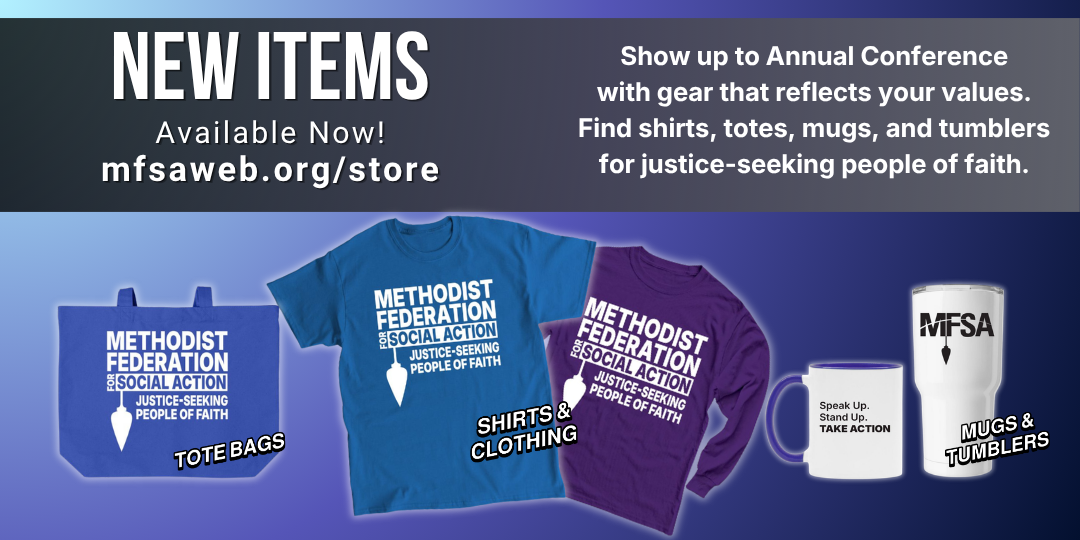
New MFSA Gear Is Here!

New items are now available in the MFSA online store! From shirts and totes to tumblers and yard signs, these designs help you show up with a visible witness for justice—at Annual Conference, in your community, and wherever your faith calls you to speak up. The store includes MFSA’s “Justice-Seeking People of Faith” designs, items featuring the plumbline/plumb bob logo, and pieces that name our shared commitments with clarity and courage.

Every purchase supports MFSA’s work of mobilizing justice-seeking people of faith across the church and world. Visit our store to shop the latest items!


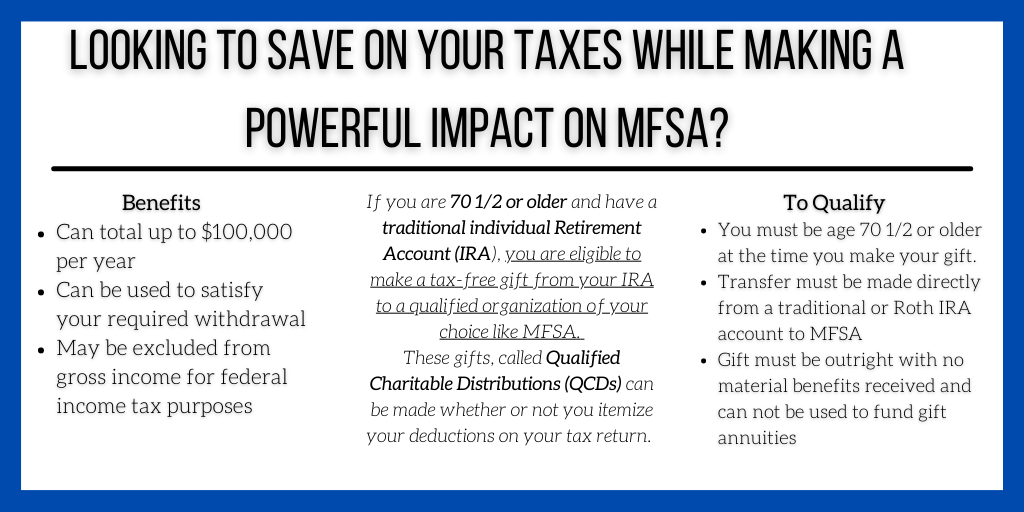
Since 1907 the Methodist Federation for Social Action (MFSA) has been mobilizing clergy and laity to speak out and take action on the pressing issues of our time. Your support makes this work possible.

Becoming a member of MFSA means making a financial contribution to MFSA and joining other activists who care about issues of justice and peace and actively work to make a difference.

As a fully donation and member-supported organization, MFSA depends on people like you to sustain our prophetic witness for justice in The United Methodist Church and beyond. When you become a member, you’re not only supporting national and international efforts — 20% of your contribution goes directly to your local MFSA Chapter/Regional Community. If there’s no chapter near you, that portion helps seed and grow new MFSA communities.

In a time when the call for justice in our Church and our world is more urgent than ever, MFSA continues to organize, advocate, and witness boldly.  Supporting LGBTQIA+ inclusion in The United Methodist Church; raising awareness and building solidarity with Palestine; resisting anti-trans and anti-abortion legislation and advocating for racial, disability, economic, and climate justice, we remain committed to prophetic action grounded in faith.

We invite you to join or renew your membership today. Your support sustains our work, fuels our organizing, and strengthens our collective voice.


Call Your Representatives and Demand Accountability

We are reminded that respect for the office does not mean silence in the face of harm. Our democracy is under threat, and our most vulnerable communities are at risk. Now is the time to speak up—call your representatives and demand accountability.


Now's the Time for Action

Here are a few ways you can seek justice and work for broad systemic change:

  1. Sign the Petition to Protect Workers! Join Planting Justice

  2. Sign the UMKR Petition calling for an Investigation, Accountability, and Review of Israel's Treatment of U.S. Citizens

  3. Boycott Wendy's - Call on Wendy's to do their part to join the Fair Food Program!

  4. Tell Congress to Oppose the US-Israel Defense Technology Cooperation Initiative

  5. (UMKR) Tell Congress to Stop Enabling the Destruction: Block the Bulldozers and Bombs to Israel

  6. Tell Congress to Stop War With Iran

  7. Protect Immigrant Families & Communities – Support the Sensitive Locations Act (H.R. 1061)

  8. Urge your Members of Congress to co-sponsor H.Res.876, which would formally recognize Israel's genocide in Gaza and push the United States to meet its legal obligations to prevent and punish genocide. Resolution Recognizing the Genocide of the Palestinian People in Gaza

  9. Join the boycott of Chevron, which is profiting off the genocide in Gaza. Here is a list of products and services to boycott from companies that are supporting Israel's apartheid of Palestine.


In Case You Missed It

  1. MFSA Welcomes First UMC Pinellas Park as a Justice-Seeking Community
  2. CIW & MFSA's recent Webinar: Farmworker Justice and Faith with CIW & MFSA
  3. UMKR and MFSA's recent Webinar: The Power of BDS: Transforming the World
  4. Read the last MFSA's Racial Audit Implementation Team Update


Share This

Contact Us

Methodist Federation for Social Action
996 Maine Ave SW #307
Washington, District of Columbia 20024
(202) 240-2546
[email protected]

Unsubscribe or Manage Your Preferences