| |  | | | Dear Justice-Seeker, This issue of MFSAVoices is jam-packed with resources and information. So much so that it won't all fit in your email message so be sure to click view entire message at the bottom of this email to view the entire issue. Our newsletters are designed to be used all month long. So take a quick glance and take note of important dates to add to your calendar but also come back in the following weeks to work your way through the action items. Gmail users—move us to your primary inbox - On your phone? Click the 3 dots at the top right corner, click "Move to" then "Primary"
- On your desktop? Back out of this email then drag and drop this email into the "Primary" tab near the top left of your screen
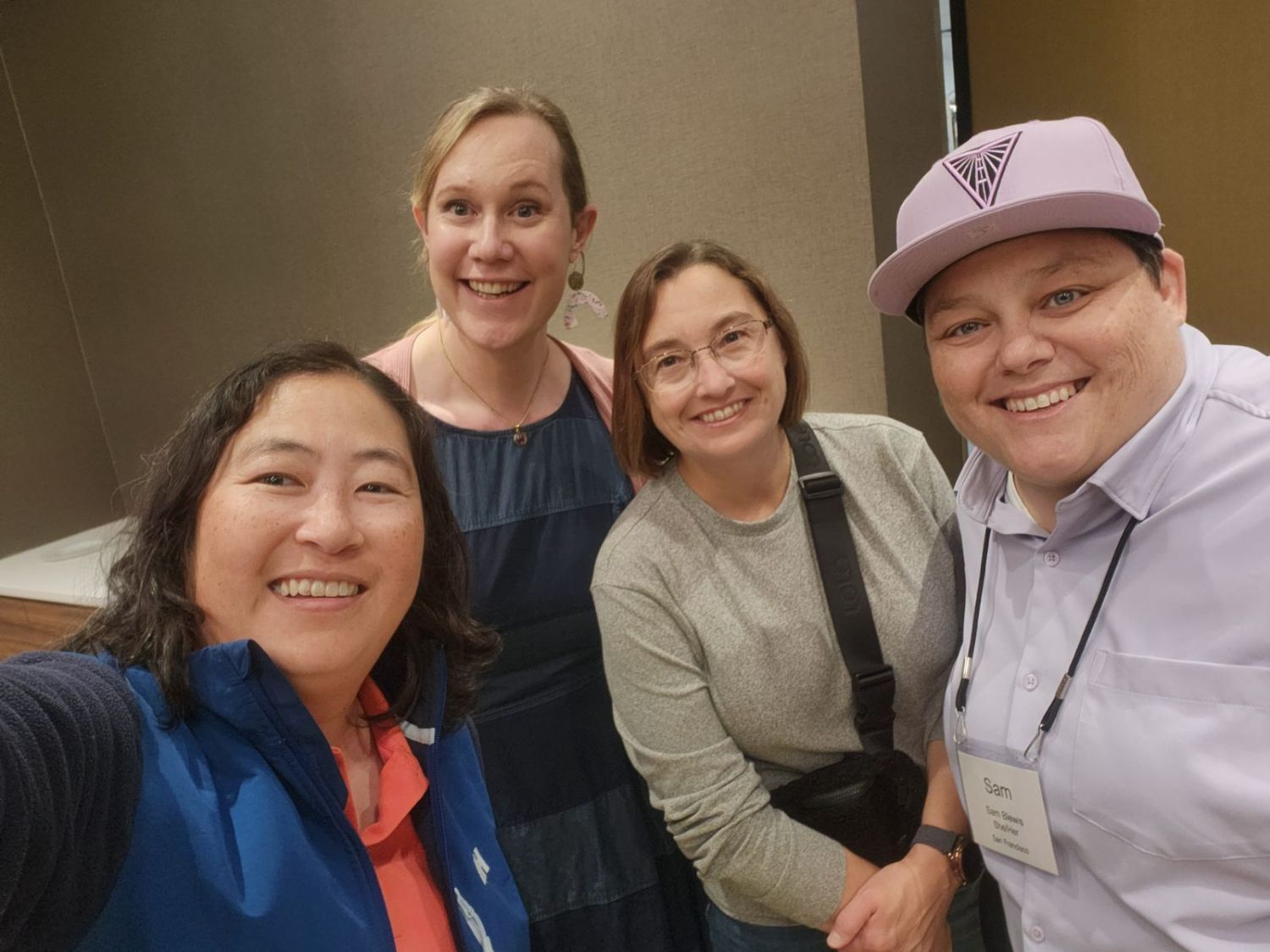
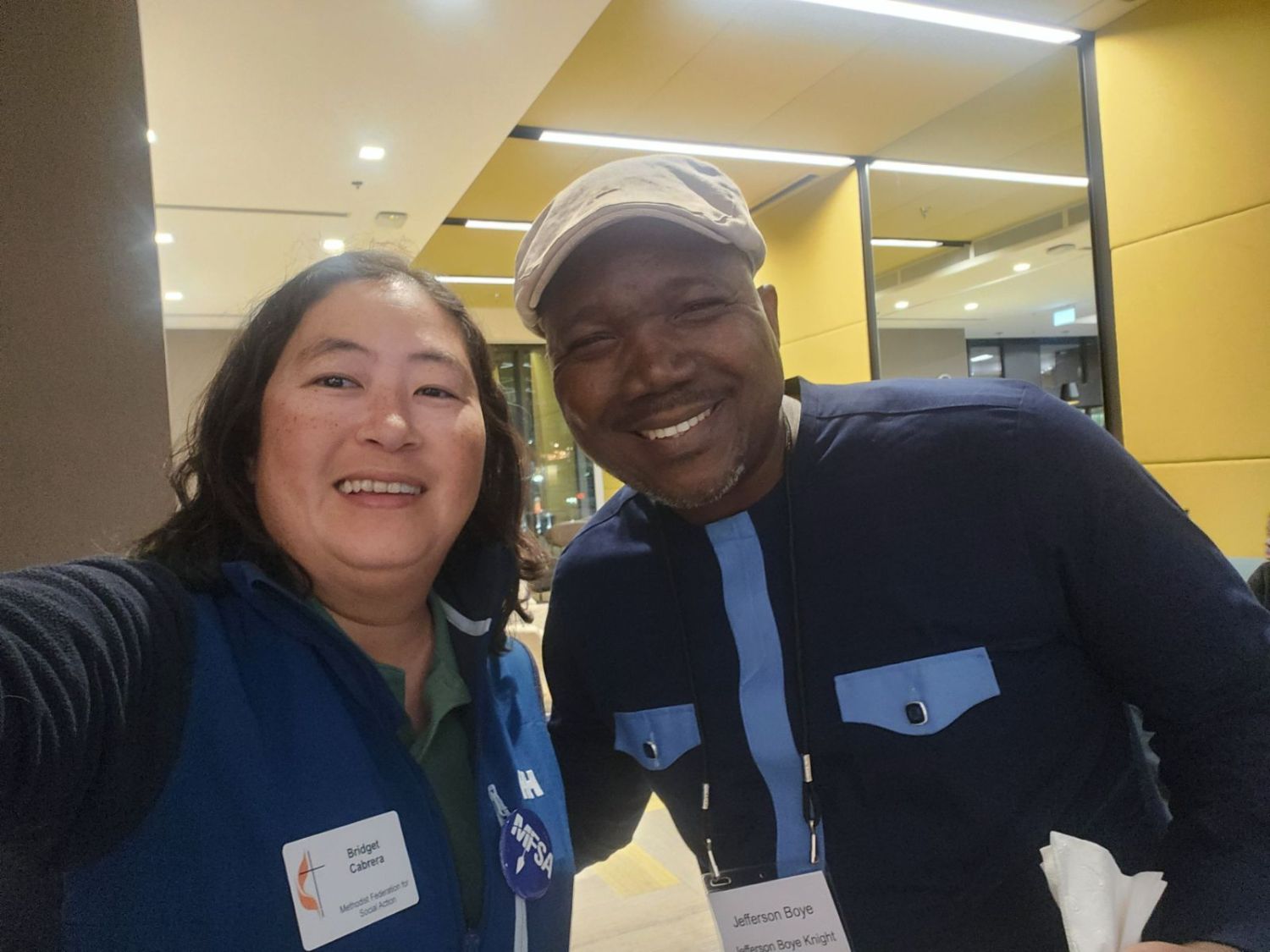
We continue to see the urgency of our work to make broad systemic change. Change that honors the dignity and worth of all people, puts people over money, and honors the earth and all her inhabitants. Since 1907, MFSA has been shining a light on injustice and organizing to change it. You make our collective work possible by your witness for justice every day in your church, community, and Annual Conference. MFSA does not receive any financial support from the United Methodist Church's giving channels. 100% of our budget is funded through your membership dues and your generosity in giving. | | | | | |  | Imagining a Church Yet To Be From October 20–24, United Methodists from around the world gathered in Calgary, Canada, for the Council of Bishops' first-ever Leadership Gathering. Under the theme “Emboldened by the Spirit: Imagining a Church Yet to Be,” bishops, clergy, lay leaders, and young adults came together to consider what the future of The United Methodist Church could look like. The gathering brought together invited representatives from across the denomination's episcopal areas (regions overseen by bishops). Unlike General Conference, the church's legislative assembly, this meeting was not for debating policies or making binding decisions. Instead, participants were invited to listen, share experiences, confront difficult realities, and imagine new possibilities. | | | | | Over three days of focused conversations, participants moved through reflection and visioning. The first day centered on naming the realities facing the denomination, including declining membership, institutional preservation, inequitable leadership structures, and the lasting harm of colonialism. The second day explored new ways of living out the church's mission. On the third day, 16 small covenant groups each developed one priority recommendation for building a more faithful and relevant church. Those recommendations reflected both the challenges and possibilities ahead. Participants called for greater investment in younger generations, more equitable resource distribution, dismantling harmful colonial structures, and shifting the church's priorities from institutional survival to meaningful ministry. One group proposed a churchwide prayer confronting authoritarianism, racism, and tribalism. Another emphasized reclaiming the baptismal promise to resist evil, injustice, and oppression. For the Methodist Federation for Social Action (MFSA), these conversations connect directly to our longstanding commitment to a church that puts justice into practice. Imagining a more inclusive church requires more than welcoming language. It means sharing power with those historically excluded from leadership, confronting racism and colonialism, affirming LGBTQ+ people without reservation, and directing our resources toward communities too often pushed to the margins. During the gathering's closing conversations, LGBTQ+ advocate Caleb Parker offered an important reminder: “The United Methodist Church is not yet reconciled with queer people. But we can be.” That distinction matters. The significant legislative changes of the 2024 General Conference opened new possibilities, but changing church law was never the finish line. Building a genuinely just and inclusive denomination requires continued advocacy, accountability, and meaningful transformation at every level. The Leadership Gathering produced recommendations, not binding actions. The Council of Bishops plans to share a report with the wider church in January 2027. What happens next will depend on whether these ideas lead to concrete changes in how the church operates, distributes resources, and serves its communities. | | | | | | | | | | I was grateful to be present in Calgary organizing on the edges, attending the queer participant gathering, a central conference gathering, reconnecting with colleagues, and meeting participants. MFSA hosted a small gathering on Friday evening where many gathered to connect, reflect, and dream. Through organizing, education, advocacy, and solidarity with marginalized communities, we will continue challenging The United Methodist Church to become not simply an institution that survives, but a movement worthy of its calling. The future of the church will not be determined by what we imagine alone, but by what we are willing to change together. Explore recordings, reports, and highlights from the Leadership Gathering. Your membership and gifts allow MFSA to travel to gatherings like this one, organize alongside justice-seeking United Methodists, and ensure that our justice-seeking movement is present when important conversations are happening. When you support MFSA, you help hold the plumbline. Together, we can keep calling the church toward something more plumb, true, and deeply aligned with justice and love. Thank you for standing with us—holding the plumbline, asking the questions, and building toward a church that reflects the love it proclaims. | | | | Thank you for being part of this work. With gratitude and hope, | |  | Bridget Cabrera (she/her/hers)
Executive Director
Methodist Federation for Social Action | | | | | | | |  | Save the Date: Giving Tuesday December 1, 2026 Mark your calendar for Giving Tuesday! This global day of generosity is a chance to invest in the justice-seeking work of MFSA. Together, we continue to challenge systems of oppression, advocate for the marginalized, and build a church and world rooted in love and liberation.
Several generous donors will match the first $6,000 raised for Giving Tues. You can give through social media on Facebook and Instagram from Nov 24 - Dec 8, online through the link that will be shared during that time, or by check with Giving Tues written in the memo:
Methodist Federation for Social Action
996 Maine Ave SW #307
Washington, DC 20024 | | | | | | | |  | Stories of Hope and Resistance The church has long been a place where justice is not only preached but lived out in times of political and social upheaval. However, with the arrival of a new administration intent on rolling back hard-won rights and freedoms, faith communities across the country are refusing to remain silent. This new section of our newsletter is dedicated to sharing the ways churches are standing firm in their commitment to justice. We're excited to highlight actions and movements within faith communities that resist oppression, embody radical hospitality, and insist on a future where love, dignity, and equity prevail. Whether through direct advocacy, sanctuary efforts, mutual aid, or prophetic witness, these faith communities remind us that another world is possible—and we are called to help create it. If your church is engaged in work that challenges injustice and fosters hope—especially through acts of subversion and resistance against oppressive policies—we want to hear from you. Here are some stories of hope and resistance: | | | |  | United Methodists from across the connection gathered in person and online Sept. 25 for the 2026 Disability Summit, a day of worship, learning, conversation and commitment to building a church in which people with disabilities can fully participate, lead and belong. | | |  | The United Methodist Church in the Philippines continues to stand in solidarity with Indigenous peoples as they struggle to defend their rights, protect their ancestral lands, and uphold human dignity. | | | | | |  | MFSA joins over a dozen civil rights and religious organizations, urging the U.S. Supreme Court to affirm that religious freedom does not require Colorado taxpayers to fund religious preschools that discriminate against LGBTQ+ children and families. “Religious liberty is not a license to discriminate and deny children access to a taxpayer-funded educational program.” In an amicus brief in St. Mary Catholic Parish in Littleton v. Roy, Americans United for Separation of Church and State and allies explain that Colorado is not required to exempt faith-based schools participating in the state’s taxpayer-funded Universal Preschool Program from its antidiscrimination requirements. These requirements ensure that all eligible children are served and not discriminated against because of their or their families’ LGBTQ+ identity or other protected characteristics. The lawsuit was filed by Becket Fund, a legal group that advances Christian Nationalist cases, on behalf of private religious schools with discriminatory admissions policies and a family whose children attended one of the schools. | | | | | | | | 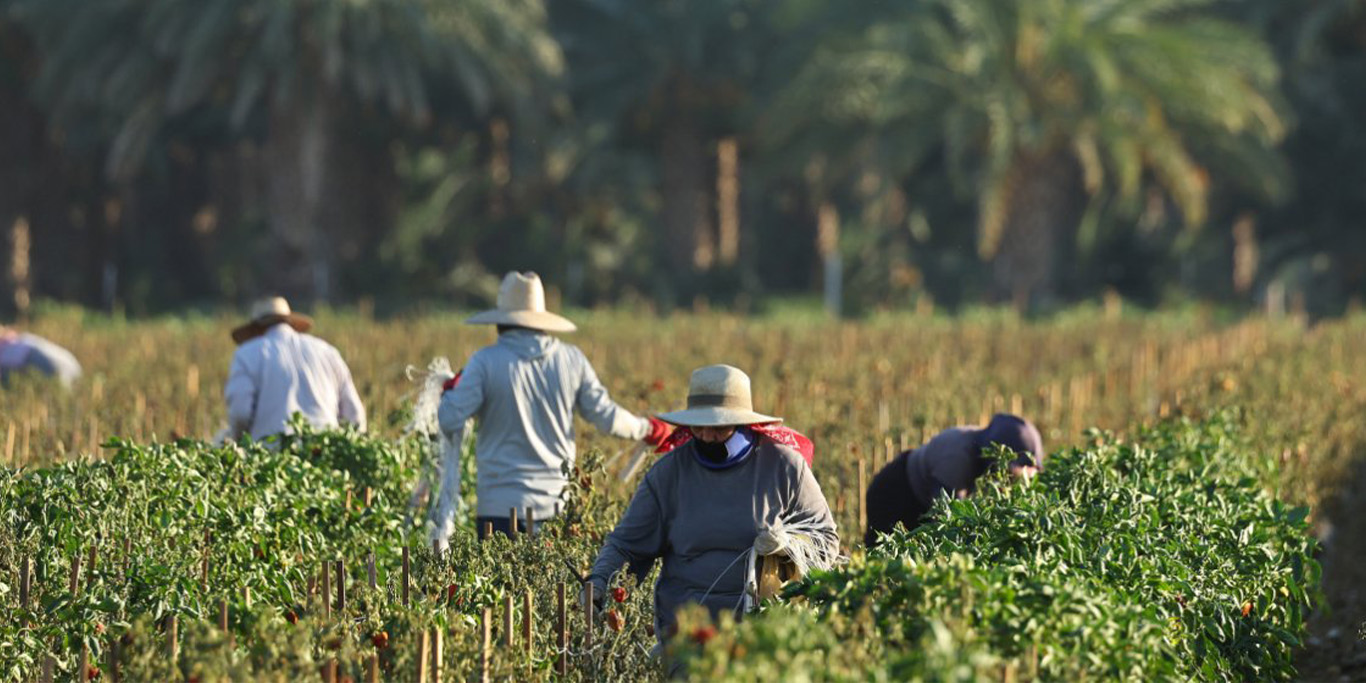 | Boycotting Kroger: Standing with Farmworkers for Fair Food Kroger’s current supplier policies contain vague expectations and do not include binding obligations that effectively keep workers safe. The people who harvest our food deserve dignity, fair wages, and safe working conditions. Yet across the United States, farmworkers continue to face dangerous heat, wage theft, exploitation, and other abuses. Recently, MFSA joined the Coalition of Immokalee Workers (CIW) for a webinar highlighting the Fair Food Program, a groundbreaking, worker-led initiative that protects farmworkers through enforceable labor standards, independent monitoring, and corporate accountability. The program has transformed working conditions across the agricultural industry, with major companies like Walmart, McDonald's, and Trader Joe's agreeing to participate. But Kroger, one of the nation's largest grocery retailers, continues to refuse. Despite years of advocacy, shareholder pressure, and documented abuses connected to its supply chain, Kroger has declined to join the Fair Food Program. Publix and Wendy's are among other major companies that have refused to participate. For MFSA, economic justice means standing alongside workers who are demanding basic human rights. We encourage our members to withhold their business from Kroger and other Fair Food Program holdouts, communicate directly with these companies, and support businesses that have committed to enforceable farmworker protections. Our faith calls us to recognize the dignity of every person, including those whose labor puts food on our tables. Together, we can use our collective purchasing power to demand a food system rooted in justice rather than exploitation. Learn more about the fight for farmworker protections, Kroger’s refusal to join the Fair Food Program, and why advocates are demanding corporate accountability at this article from Civil Eats: | | | | | | | | 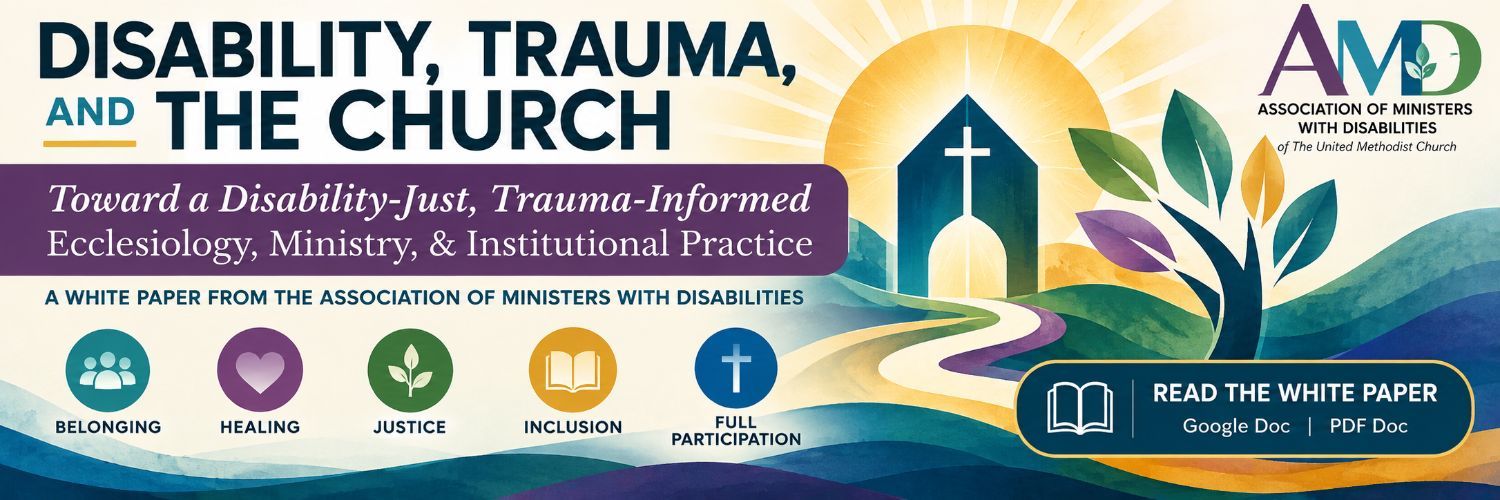 | Disability, Trauma, and the Church from the Association of Ministers with Disabilities (AMD)
of The United Methodist Church The Association of Ministers with Disabilities (AMD) is pleased to share a new resource developed following our 2026 Disability Summit in New Orleans: Disability, Trauma, and the Church: Toward a Disability-Just, Trauma-Informed Ecclesiology, Ministry, and Institutional Practice
A White Paper from the Association of Ministers with Disabilities This white paper grew out of the conversations, experiences, and concerns raised at the 2026 Disability Summit. It explores the intersection of disability, trauma, ableism, and the life of the Church and calls The United Methodist Church toward practices that are both disability-just and trauma-informed. The paper is intended not only for disabled clergy and laity, but also for bishops, cabinets, annual conferences, Boards of Ordained Ministry, District Committees on Ordained Ministry, clergy mentors, seminaries, congregations, and other ministry leaders whose decisions and practices shape participation, belonging, leadership, and vocation in the Church. We invite you to read the white paper, share it with others, and use it to begin conversations about how our churches and the denomination can recognize trauma, confront ableism and other disability-specific forms of oppression, remove barriers, and create communities in which people with disabilities can participate and lead fully. | | | | | | | |  | Essential Understandings: Climate Change, Climate Justice, Climate Action United Methodist Creation Justice Movement & Fossil Free UMC Today’s devastation of the earth is profoundly related to a loss of the sense of the sacred value of God’s creation, God’s intention for creation, and our role in it as children of God and children of the earth. God’s creation is our context. We are dependent on God for life and breath and all things, and it is through creation that God nurtures us. We are a part of the interconnected community of all creation, kin to all human and otherkind. Because creation is our context, climate change is also our context, because it threatens creation and exacerbates other social and ecological problems. For many, climate change is background, but for those experiencing fossil-fueled disasters or whose regions are becoming uninhabitable, it is foreground. Climate change will move progressively into the foreground for our churches as the planet continues to warm, disasters increase and intensify, and demands for just and compassionate responses multiply. | | | | | | | | 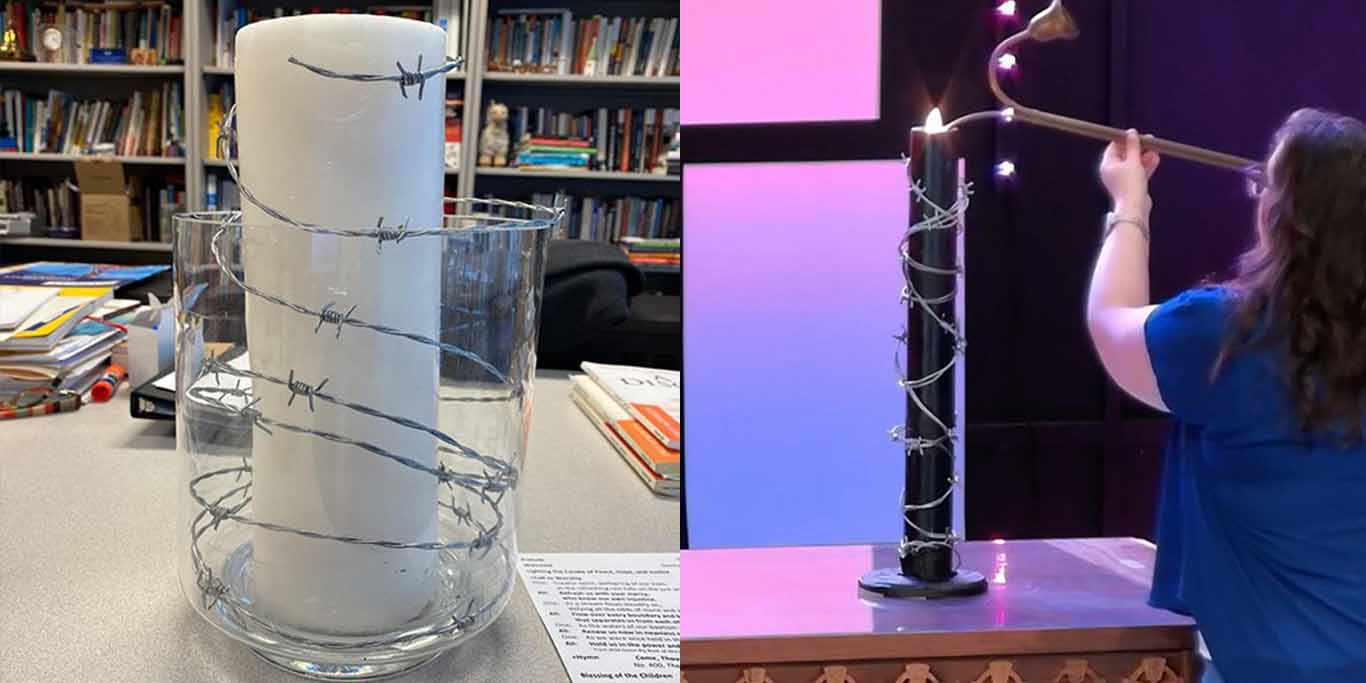 | Lighting the Candle of Peace, Hope, and Justice As we navigate the realities of this new administration, justice-seeking congregations across the country are standing in solidarity with those targeted by oppressive policies. We've seen churches respond by incorporating the Candle of Peace, Hope, and Justice into their worship services, lifting up prayers and commitments to resist injustice. Inspired by the Central Methodist Mission in Johannesburg, which lit a candle encircled in barbed wire during the struggle against apartheid, Rev. Dr. Donna Claycomb Sokol of Mount Vernon Place UMC in Washington, D.C., is one of the pastors who has reintroduced this practice. Rev. Andy Oliver of Allendale UMC in St. Petersburg, Florida, is another. Now, more than 50 congregations—including several MFSA-aligned churches—have joined this movement, lighting a candle each week and naming those suffering under policies of cruelty and exclusion. Recently, churches have lit the candle:
🕯️ For migrants—asylum seekers facing deportation, undocumented families living in fear, and faith leaders offering sanctuary.
🕯️ For federal workers—those losing their jobs, living in uncertainty, or suffering retaliation for speaking out.
🕯️ For USAID—millions impacted by halted humanitarian aid, from hungry children to struggling farmers.
🕯️ For the National Institutes of Health—patients, researchers, and those dependent on lifesaving medical advancements.
🕯️ For the conflict in Ukraine—those enduring war, Russian dissidents, and leaders seeking true peace.
🕯️ For the judicial branch—judges facing threats, courts upholding the rule of law, and those caught in legal battles over justice.
🕯️ For institutions of higher education and students—scholars facing retaliation, lost funding, and threats to free expression. Each time the candle is lit, congregations proclaim that the light shines in the darkness, and the darkness has never overcome the light. You can access the liturgy below. This document will be updated weekly, with liturgy uplifting a new group targeted by this administration. In this moment, as faith communities, we must recommit to resisting evil, injustice, and oppression in all its forms. Together, we will continue to bear witness, proclaim justice, and keep the light shining. | | | | | | | | 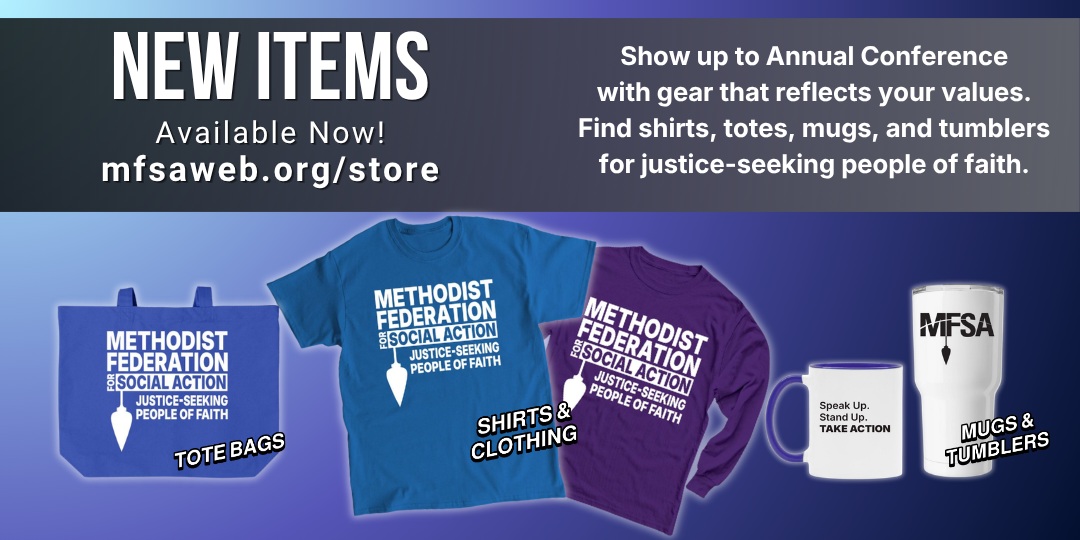 | New MFSA Gear Is Here! New items are now available in the MFSA online store! From shirts and totes to tumblers and yard signs, these designs help you show up with a visible witness for justice—at Annual Conference, in your community, and wherever your faith calls you to speak up. The store includes MFSA’s “Justice-Seeking People of Faith” designs, items featuring the plumbline/plumb bob logo, and pieces that name our shared commitments with clarity and courage. Every purchase supports MFSA’s work of mobilizing justice-seeking people of faith across the church and world. Visit our store to shop the latest items! | | | | | | | | 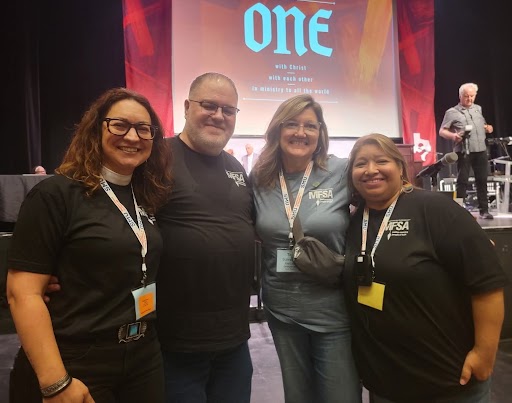 | Since 1907 the Methodist Federation for Social Action (MFSA) has been mobilizing clergy and laity to speak out and take action on the pressing issues of our time. Your support makes this work possible. Becoming a member of MFSA means making a financial contribution to MFSA and joining other activists who care about issues of justice and peace and actively work to make a difference. As a fully donation and member-supported organization, MFSA depends on people like you to sustain our prophetic witness for justice in The United Methodist Church and beyond. When you become a member, you’re not only supporting national and international efforts — 20% of your contribution goes directly to your local MFSA Chapter/Regional Community. If there’s no chapter near you, that portion helps seed and grow new MFSA communities. In a time when the call for justice in our Church and our world is more urgent than ever, MFSA continues to organize, advocate, and witness boldly. Supporting LGBTQIA+ inclusion in The United Methodist Church; raising awareness and building solidarity with Palestine; resisting anti-trans and anti-abortion legislation and advocating for racial, disability, economic, and climate justice, we remain committed to prophetic action grounded in faith. We invite you to join or renew your membership today. Your support sustains our work, fuels our organizing, and strengthens our collective voice. | | | | | | | |  | Call Your Representatives and Demand Accountability We are reminded that respect for the office does not mean silence in the face of harm. Our democracy is under threat, and our most vulnerable communities are at risk. Now is the time to speak up—call your representatives and demand accountability. | | | | | | | |  | | | | | | | | | | | | |  | | | | | | | | |