| |  | | | Dear Justice-Seeker, This issue of MFSAVoices is jam-packed with resources and information. So much so that it won't all fit in your email message so be sure to click view entire message at the bottom of this email to view the entire issue. Our newsletters are designed to be used all month long. So take a quick glance and take note of important dates to add to your calendar but also come back in the following weeks to work your way through the action items. Gmail users—move us to your primary inbox - On your phone? Click the 3 dots at the top right corner, click "Move to" then "Primary"
- On your desktop? Back out of this email then drag and drop this email into the "Primary" tab near the top left of your screen
We continue to see the urgency of our work to make broad systemic change. Change that honors the dignity and worth of all people, puts people over money, and honors the earth and all her inhabitants. Since 1907, MFSA has been shining a light on injustice and organizing to change it. You make our collective work possible by your witness for justice every day in your church, community, and Annual Conference. MFSA does not receive any financial support from the United Methodist Church's giving channels. 100% of our budget is funded through your membership dues and your generosity in giving. | | | | | | Learning Racial Justice as a Young Filipino Leader in MFSA By Camille Bianca Sumera Manangan As a young Filipino leader trying to engage in racial justice work within the church and the society, I have come to realize that understanding racism requires more than just good intentions; it requires humility, accountability, and a willingness to confront uncomfortable truths within the organizations we are part of. My ongoing experience with MFSA has been an active learning process, revealing ways the organization tries to address racial justice and the ways it still struggles with systemic white dominance. This journey is teaching me to understand how real racial justice works in the church and in society by dismantling structures that prioritize white comfort and moving beyond so many symbolic actions toward real and authentic accountability to People of Color. One of the first things that struck me in the MFSA racial audit was how “MFSA prioritizes white comfort, focusing on white saviorism and being the good white ones.” This reminded me that even in spaces that consider themselves very progressive, it is still easy for white leaders to center themselves at all things instead of those most affected by sufferings and oppressions. The audit explains how “actions previously taken by MFSA toward anti-racist awareness and potential changes show unawareness of continuous patterns of privilege and paternalism.” Reading this made me reflect on how often I might assume I know what is best for others, and how important it is to pause, listen, and make space for the voices of People of Color. The audit also pointed out that MFSA sometimes deflects responsibility by comparing itself to the United Methodist Church. It says, “MFSA lets itself off the hook for our own failures and denies our responsibility to change our white dominant culture by comparing ourselves with The United Methodist Church.” I understood this as a common trap: it feels easier to measure ourselves against others rather than facing our own shortcomings. I have learned that doing racial justice work means looking inward, even when it is uncomfortable, and asking how we can do better instead of focusing on how we are “better than others.” I have also realized that the structure and culture of MFSA somehow make real change difficult. The audit highlights that “MFSA’s organizational structure and cultural norms are white-centered, which prevents it from recognizing and confronting racism.” Policies are not always clear, decision-making often depends on long-term white leaders, and new People of Color leaders are sometimes integrated into the existing culture instead of reshaping it. This has taught me that racial justice is not just about individual actions; it also requires challenging the systems, rules, and informal norms that give power to certain groups. Another challenge is the scarcity mindset within the organization. The audit explains that this mindset “draws attention away from advocacy for racial justice and toward practical measures that center organizational preservation and limit its sense of what is possible.” I now see how fear of losing resources, donors, or stability can slow action and make it harder to prioritize the communities that need support the most. This reminded me that true justice work often requires risk-taking and courage, even when it feels uncomfortable or uncertain. Finally, the audit emphasizes the danger of self-righteousness, saying that MFSA members sometimes operate out of “self-righteousness which results in feeling good about themselves without needing to change, take action, and/or be in an accountable relationship with people of color and people of color communities.” This has been the hardest lesson for me: good intentions are not enough. I need to actively reflect, listen, and engage in accountability if I want to support real change. Tokenizing People of Color or relying on symbolic actions is not enough; relationships and justice require sustained effort and commitment. Being part of MFSA has taught me that racial justice in the church and society is not simple or straightforward. It requires acknowledging how power, culture, and structures prioritize white comfort, and it demands consistent action that centers People of Color. As a young Filipino leader, I am learning that my role is not to “save” anyone but to participate in a movement that listens, reflects, and works alongside others for real change. Ultimately, I have realized that dismantling white dominance and building real and authentic accountability are essential for meaningful racial justice work, and this begins with learning, humility, and active engagement with the communities that are most affected– The People of Color. | |  Camille Bianca Sumera Manangan (she/her/hers) is a dedicated leader in faith, justice, and advocacy. She served as an intern with the General Board of Church and Society in 2018 and is currently a board member of the General Commission on Archives and History’s Center for LGBTQ+ United Methodist Heritage. Camille Bianca Sumera Manangan (she/her/hers) is a dedicated leader in faith, justice, and advocacy. She served as an intern with the General Board of Church and Society in 2018 and is currently a board member of the General Commission on Archives and History’s Center for LGBTQ+ United Methodist Heritage.
She earned her Bachelor of Arts in Legal Management from the University of the East – Manila. She served as a Global Mission Fellow in the United Kingdom from 2022-2024. Camille is now continuing her theological studies at Drew Theological School in New Jersey. | | | | | |  | Stories of Hope and Resistance The church has long been a place where justice is not only preached but lived out in times of political and social upheaval. However, with the arrival of a new administration intent on rolling back hard-won rights and freedoms, faith communities across the country are refusing to remain silent. This new section of our newsletter is dedicated to sharing the ways churches are standing firm in their commitment to justice. We're excited to highlight actions and movements within faith communities that resist oppression, embody radical hospitality, and insist on a future where love, dignity, and equity prevail. Whether through direct advocacy, sanctuary efforts, mutual aid, or prophetic witness, these faith communities remind us that another world is possible—and we are called to help create it. If your church is engaged in work that challenges injustice and fosters hope—especially through acts of subversion and resistance against oppressive policies—we want to hear from you. Here are some stories of hope and resistance: | | | | | | | | 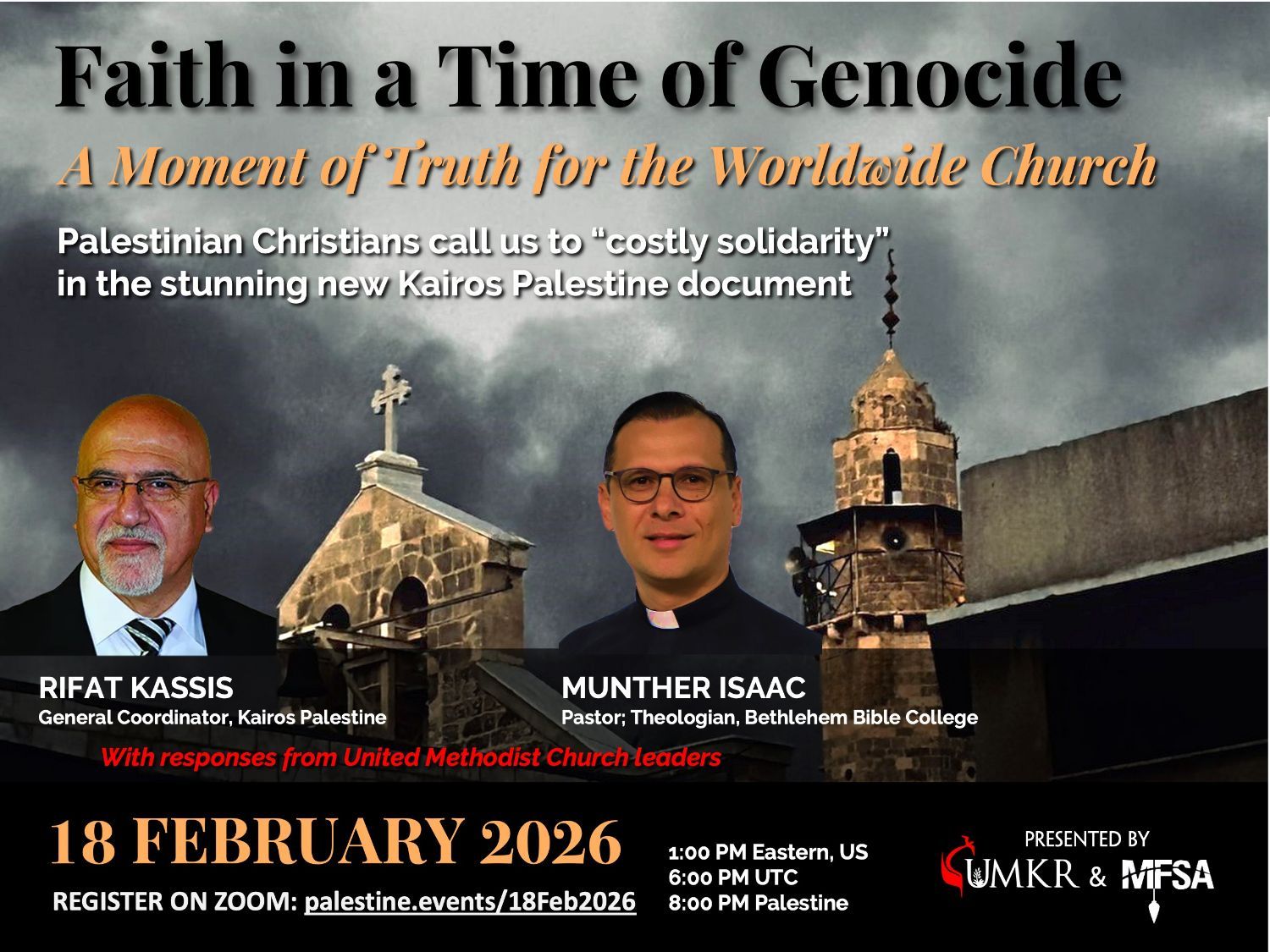 | Faith in a Time of Genocide: A Moment of Truth for the Worldwide Church
Palestinian Christians call us to "costly solidarity" in the stunning new Kairos Palestine document Wednesday, 18 February 2026
1:00 pm Eastern (US), 6:00 pm UTC, 8:00 pm Palestine
Presented by UMKR and MFSA – Kairos Palestine II is a decisive turning point in the Palestinian Christian liberation movement and a challenge to Christians everywhere.
Sixteen years ago in Bethlehem, Palestinian Christians called on Christians worldwide to stand against injustice in the Holy Land, asking us "Can you help us get our freedom back?" That call in 2009 was the first “Moment of Truth” declaration, the Kairos Palestine Document that UMKR is named for. That historic statement galvanized Christians around the world and launched a global movement. In November 2025, again speaking from Bethlehem, Kairos Palestine launched its second major manifesto “A Moment of Truth: Faith in a Time of Genocide.” This powerful statement brings us a theology of comprehensive resistance, boldly naming the ongoing genocide, ethnic cleansing, apartheid, racism, and settler colonialism that Palestinians live with and challenging us to acknowledge that reality. In our February 2026 webinar, two of the leading voices among Palestinian Christians will present and unfold this extraordinary document for us, helping us grasp its key messages and the actions urgently needed in the church and in society. Speaking from Palestine, we will have two renowned international speakers and authors: Rifat Kassis, the General Coordinator of Kairos Palestine, and Rev. Munther Isaac, pastor, theologian, and Academic Dean at Bethlehem Bible College.
Joining them will be United Methodist leaders on several continents, bringing us their responses to Kairos Palestine II from their unique geographic and church contexts. UMKR leadership will consider United Methodist solidarity thus far and what the call to “costly solidarity” will mean for our movement and throughout the denomination. | | | | | | 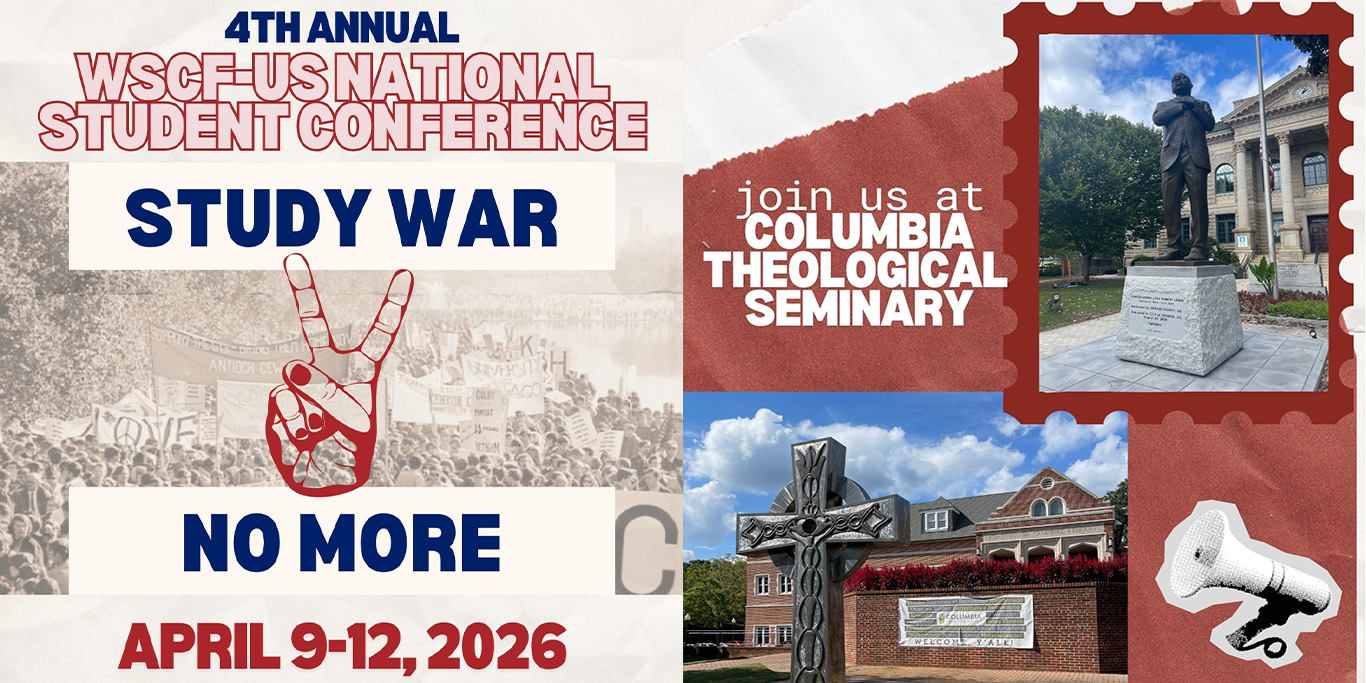 | 2026 WSCF-US National Student Conference: Study War No More Where: Columbia Theological Seminary in Decatur, GA When: April 9-12, 2026 Cost: $100 for students and young adults Register here: https://forms.gle/q32oMpyHvMjAJMDMA Deadline to register is March 10, 2026 At the 2026 WSCF-US National Student Conference, we are embracing Isaiah 2:3-4 and Micah 4:3-4 as our guides to "Study War No More." Inspired by the long tradition of Christian peacemakers, following the way of Jesus, we align ourselves with students and young people across the U.S. and the world courageously resisting violent injustices and the systems which produce them. Throughout the conference, students will be encouraged to take up the Biblical charge to learn war no more in fellowship with young Christians from around the US and the world. Conversation facilitated through panels, action-oriented workshops, worship, and small groups will aim to deepen commitments to active resistance against violence, fear, and oppression. Students will leave more deeply rooted in their faith and ready to live prophetically to transform our churches and our world. Lend your voice to the conversation! Further Information About WSCF-US The World Student Christian Federation is a network of nearly 100 student movements around the world. In the US, we are organizing a movement of Christian students who are committed to living out their faith in this pivotal moment, being radically inclusive, globally engaged, and grounded in prophetic Biblical and theological traditions. Registration cost (includes meals) - Students & non-student young adults: $100
- Campus ministers, chaplains, higher education or denominational staff, WSCF friends & alumni: $250 + housing
Note on housing: Housing will be provided at no additional cost for students and non-student young adults traveling from outside of the Atlanta area. WSCF-US is exploring housing options for campus ministers, chaplains, higher ed & denominational staff, WSCF friends & alumni and will provide more information as it is available. WSCF-US is committed to making conferences affordable and accessible to students. Please note that for students and non-student young adults, the cost of registration is inclusive of lodging and meals.
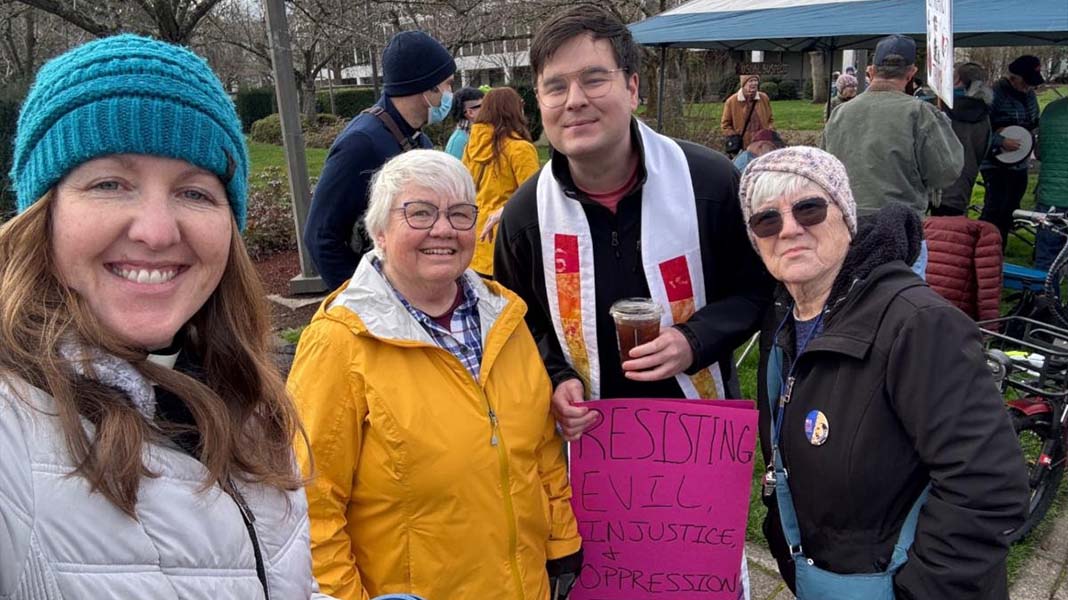
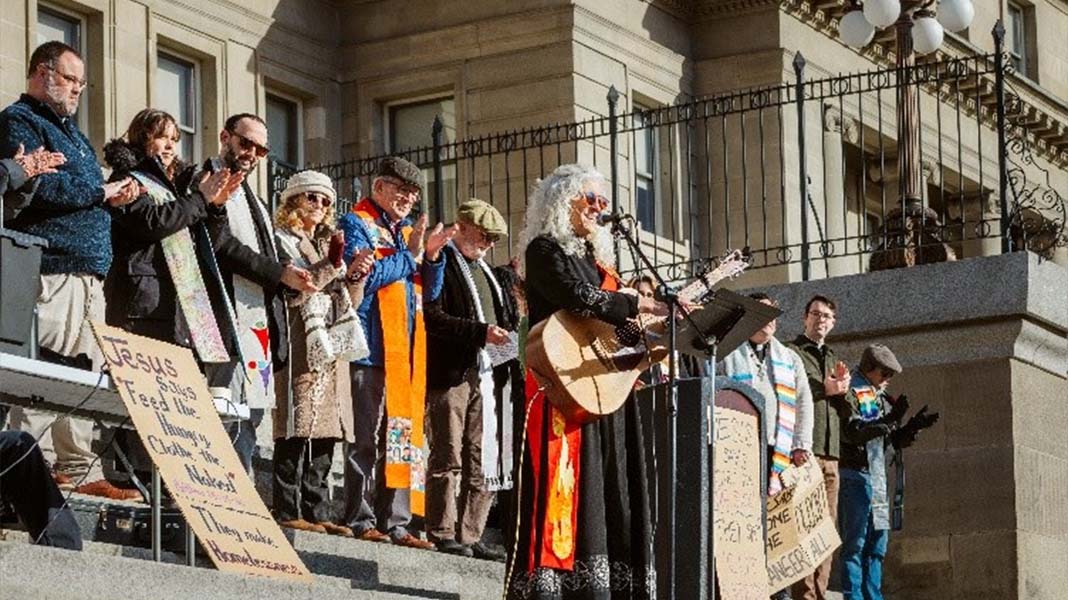
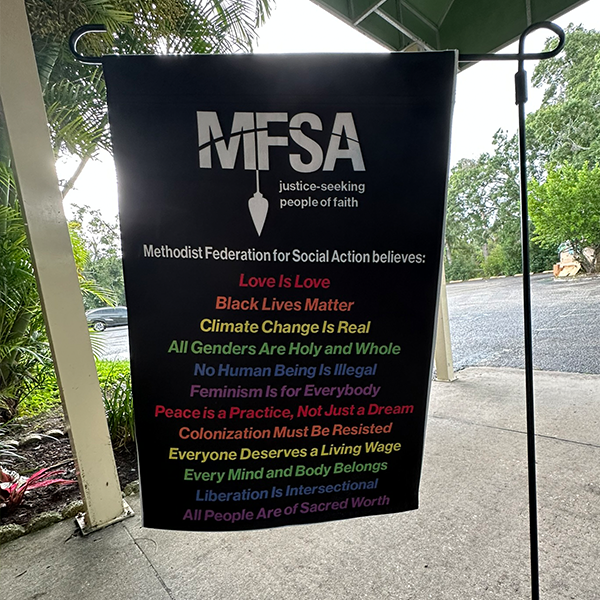
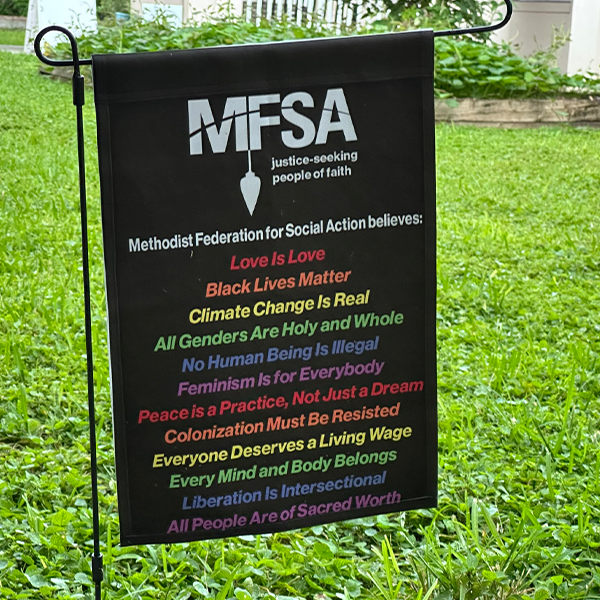
Final Registration Deadline: Tuesday, March 10, 2026 | | | | | | | | 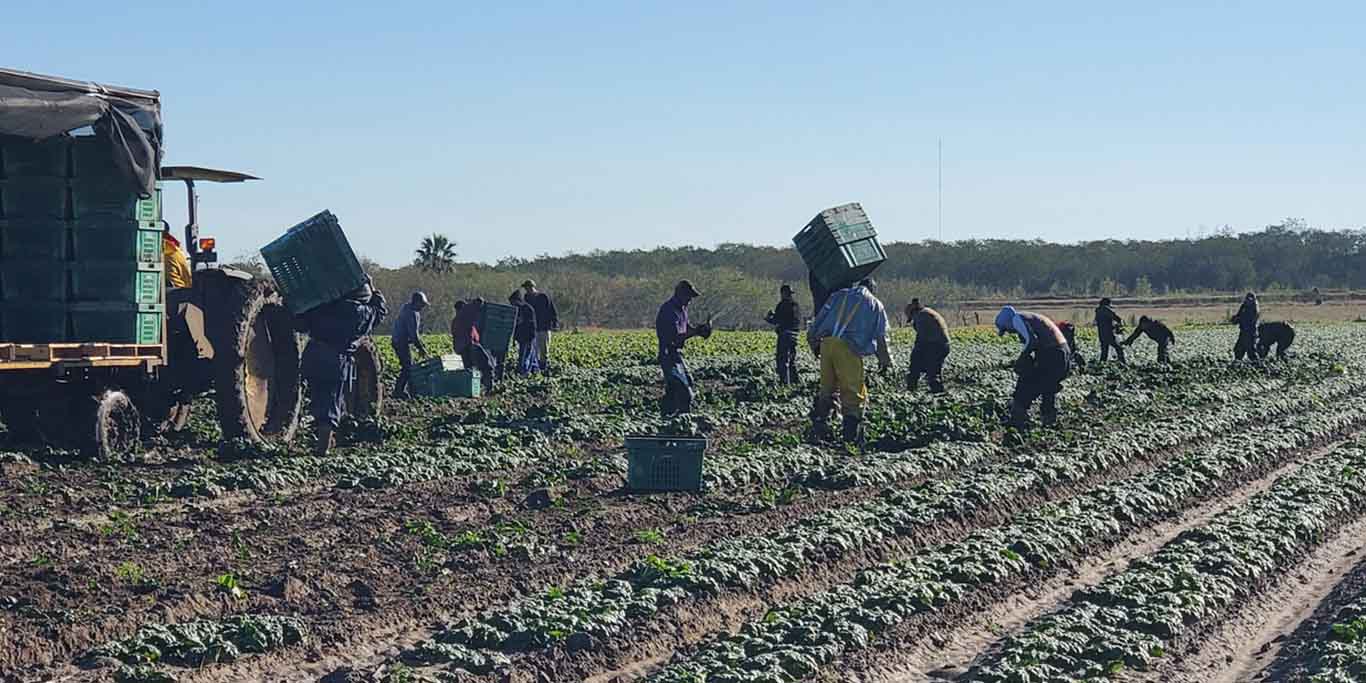 | Caring for Our Neighbors: Supporting Immigrant & Farm Worker Communities. Webinar Recording Our friends at National Farm Worker Ministry recently hosted an online webinar exploring how people of faith and conscience can support immigrant and farm worker communities in meaningful, grounded ways. The 60-minute conversation brought together leaders in immigrant advocacy, congregational ministry, and border community support to share how immigration policies shape daily life, the barriers families face in accessing essential services, and the role congregations can play in creating safe, trustworthy spaces. Featuring voices from the Immigrant Legal Resource Center, The Sidewalk School, and St. Paul & St. Andrew United Methodist Church, the webinar offers practical insight into accompaniment, hospitality, and justice-seeking in action — and invites us to keep learning and showing up in solidarity. | | | | | | | | 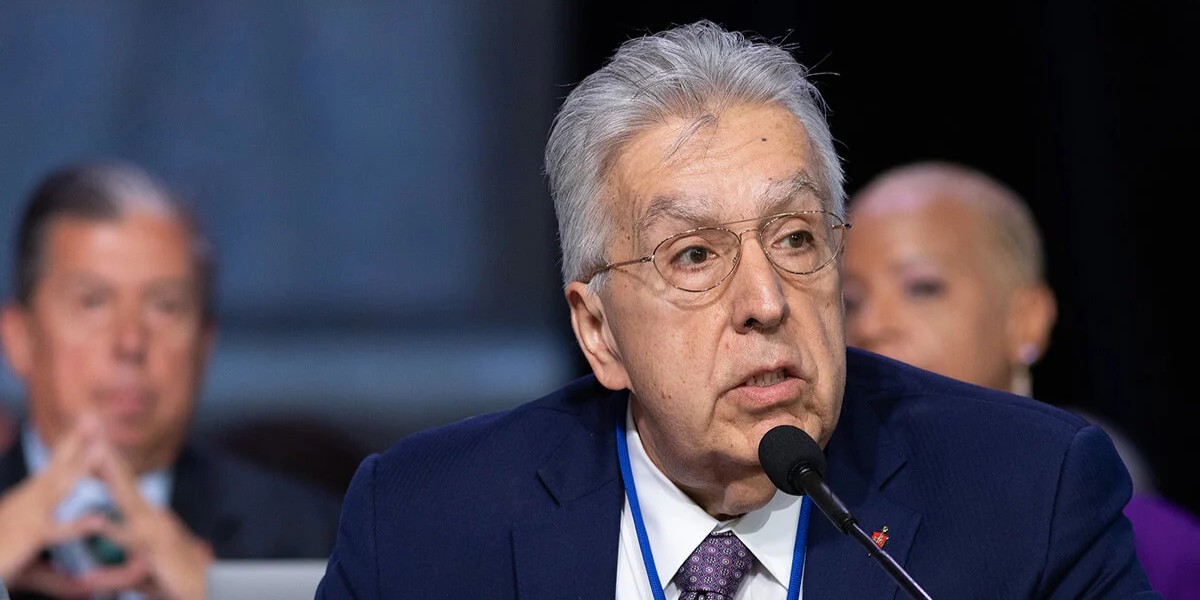 | Bishops ask all to help shape church’s future By Heather Hahn, UM News The Council of Bishops hopes to give every United Methodist a voice in the future-shaping work of this year’s Leadership Gathering. The bishops plan for 300 participants from four continents to attend the gathering, set for Oct. 20-24 at Knox United Church in Calgary, Canada. The event — with the theme “Emboldened by the Spirit: Imagining a Church Yet to Be” — aims to help United Methodists prayerfully discern their next chapter together after a painful season of disaffiliations. Horizon Texas Conference Bishop Ruben Saenz Jr. — co-convener of the event’s design team — stressed that this gathering is not just for the people who will be in Calgary. “This gathering belongs to the whole Church,” he said in a statement... | | | | | |  | Free Ebooks: Abolish ICE, Abolish the Border In solidarity with all those standing up for our communities against the brutality of immigrant detention and ICE occupation, Haymarket Books is offering free ebooks of three crucial books about migrant justice and border abolition. | | | | | | | |  | Kairos Palestine II Our partners at United Methodist Kairos Response are sharing Kairos Palestine II, an updated call from The Palestinian Christian Initiative that speaks directly to the ongoing reality of occupation, violence, and displacement in Palestine. Building on the original Kairos document, this statement invites people of faith to engage with the crisis as moral participants rather than distant observers — grounding solidarity, nonviolence, and justice-seeking in lived experience and theological reflection. The resource offers both context and challenge, asking global church communities to listen deeply, reckon honestly, and respond faithfully. | | | | | | | | 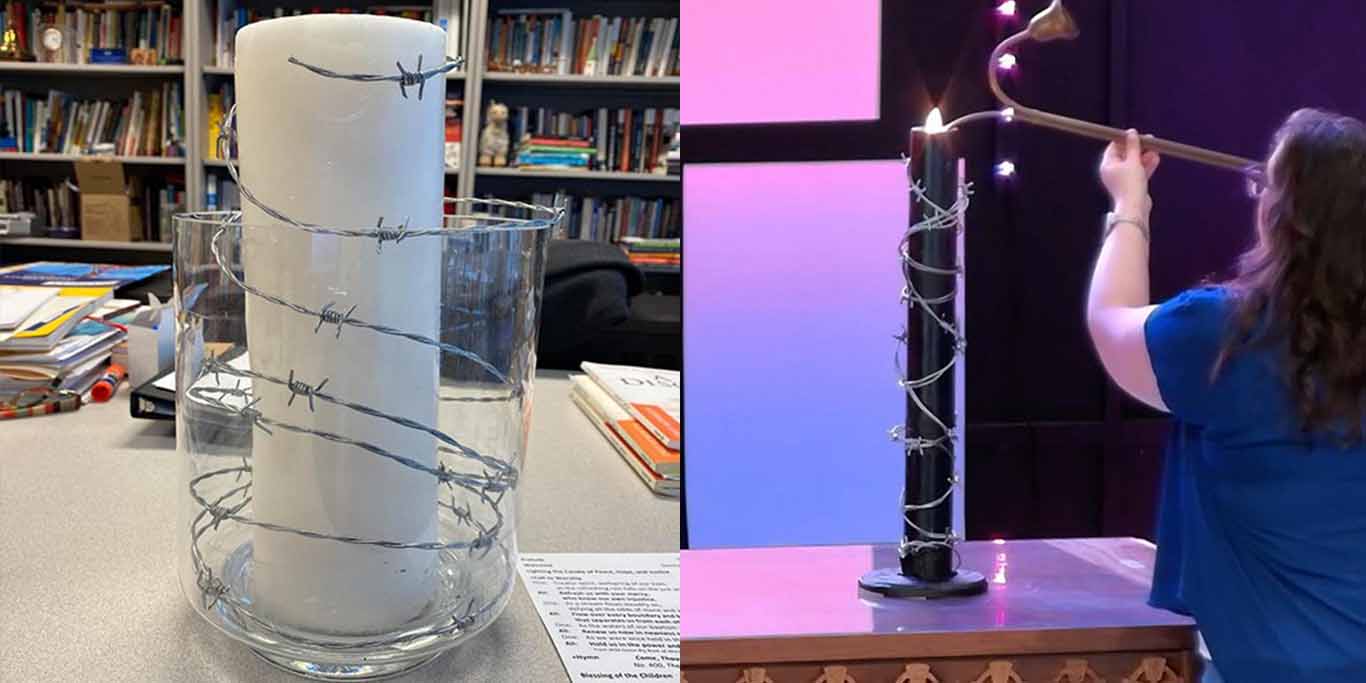 | Lighting the Candle of Peace, Hope, and Justice As we navigate the realities of this new administration, justice-seeking congregations across the country are standing in solidarity with those targeted by oppressive policies. We've seen churches respond by incorporating the Candle of Peace, Hope, and Justice into their worship services, lifting up prayers and commitments to resist injustice. Inspired by the Central Methodist Mission in Johannesburg, which lit a candle encircled in barbed wire during the struggle against apartheid, Rev. Dr. Donna Claycomb Sokol of Mount Vernon Place UMC in Washington, D.C., is one of the pastors who has reintroduced this practice. Rev. Andy Oliver of Allendale UMC in St. Petersburg, Florida, is another. Now, more than 50 congregations—including several MFSA-aligned churches—have joined this movement, lighting a candle each week and naming those suffering under policies of cruelty and exclusion. Recently, churches have lit the candle:
🕯️ For migrants—asylum seekers facing deportation, undocumented families living in fear, and faith leaders offering sanctuary.
🕯️ For federal workers—those losing their jobs, living in uncertainty, or suffering retaliation for speaking out.
🕯️ For USAID—millions impacted by halted humanitarian aid, from hungry children to struggling farmers.
🕯️ For the National Institutes of Health—patients, researchers, and those dependent on lifesaving medical advancements.
🕯️ For the conflict in Ukraine—those enduring war, Russian dissidents, and leaders seeking true peace.
🕯️ For the judicial branch—judges facing threats, courts upholding the rule of law, and those caught in legal battles over justice.
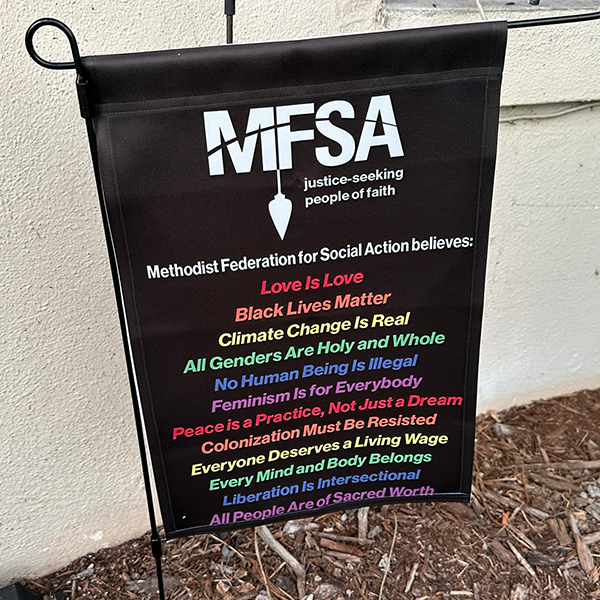
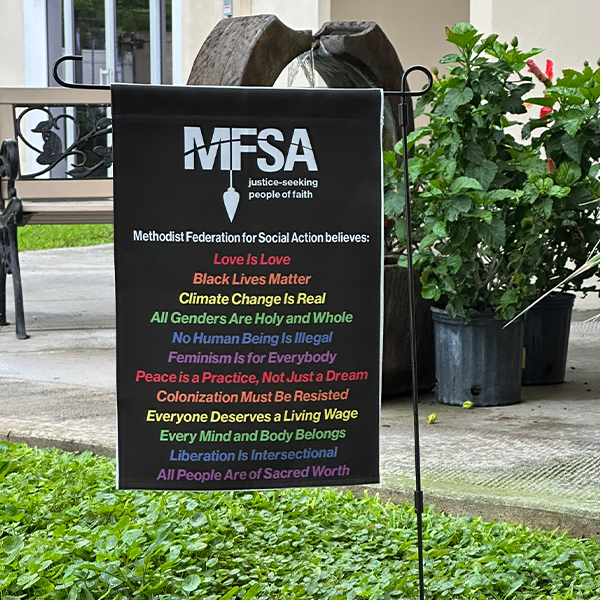
🕯️ For institutions of higher education and students—scholars facing retaliation, lost funding, and threats to free expression. Each time the candle is lit, congregations proclaim that the light shines in the darkness, and the darkness has never overcome the light. You can access the liturgy below. This document will be updated weekly, with liturgy uplifting a new group targeted by this administration. In this moment, as faith communities, we must recommit to resisting evil, injustice, and oppression in all its forms. Together, we will continue to bear witness, proclaim justice, and keep the light shining. | | | | | | | | 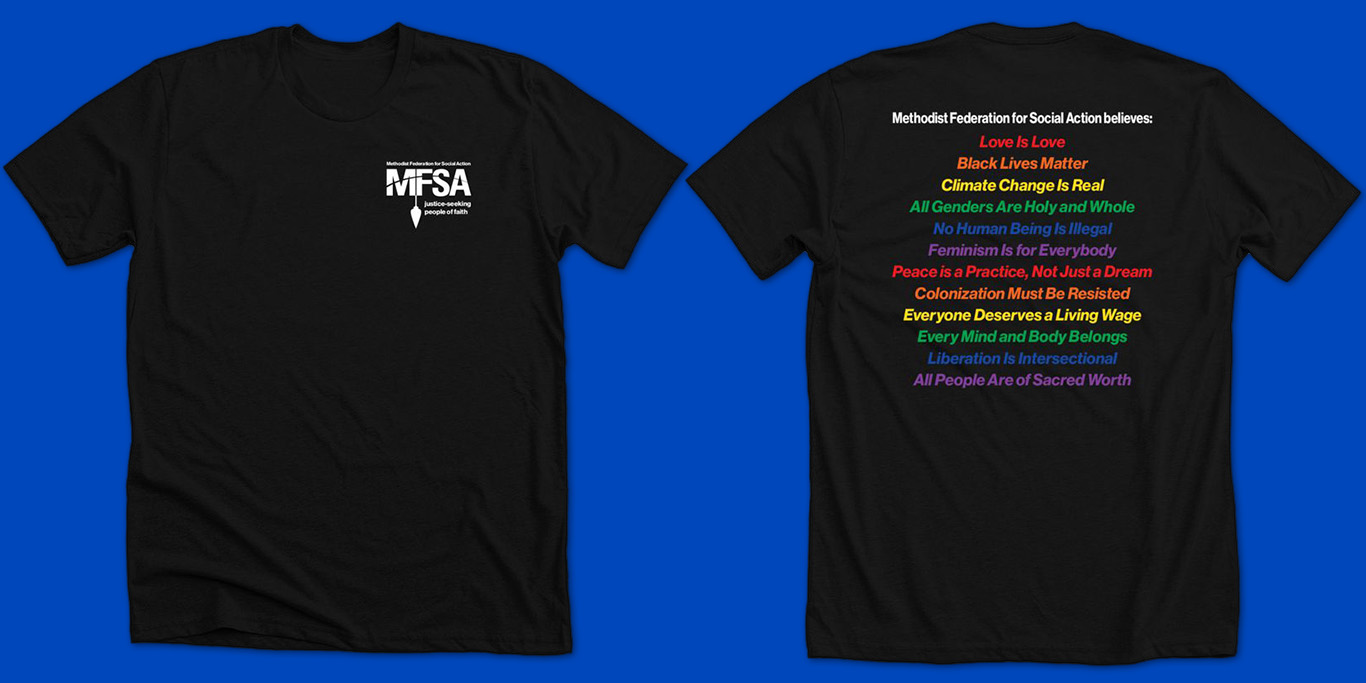 | "We Believe" MFSA T-Shirt and Yard Sign We recently launched a new t-shirt design. Boldly affirm your faith-rooted commitment to justice. Featuring core convictions from our movement, this shirt lifts up the truths we live by as Justice-Seekers. | | | | | | We also just launched a new yard flag, based on our popular t-shirt design! Place this fabric sign in front of your church or home to share these Justice-Seeking truths. | | | | | | | |  | Since 1907 the Methodist Federation for Social Action (MFSA) has been mobilizing clergy and laity to speak out and take action on the pressing issues of our time. Your support makes this work possible. Becoming a member of MFSA means making a financial contribution to MFSA and joining other activists who care about issues of justice and peace and actively work to make a difference. As a fully donation and member-supported organization, MFSA depends on people like you to sustain our prophetic witness for justice in The United Methodist Church and beyond. When you become a member, you’re not only supporting national and international efforts — 20% of your contribution goes directly to your local MFSA Chapter/Regional Community. If there’s no chapter near you, that portion helps seed and grow new MFSA communities. In a time when the call for justice in our Church and our world is more urgent than ever, MFSA continues to organize, advocate, and witness boldly. Supporting LGBTQIA+ inclusion in The United Methodist Church; raising awareness and building solidarity with Palestine; resisting anti-trans and anti-abortion legislation and advocating for racial, disability, economic, and climate justice, we remain committed to prophetic action grounded in faith. We invite you to join or renew your membership today. Your support sustains our work, fuels our organizing, and strengthens our collective voice. | | | | | | | | 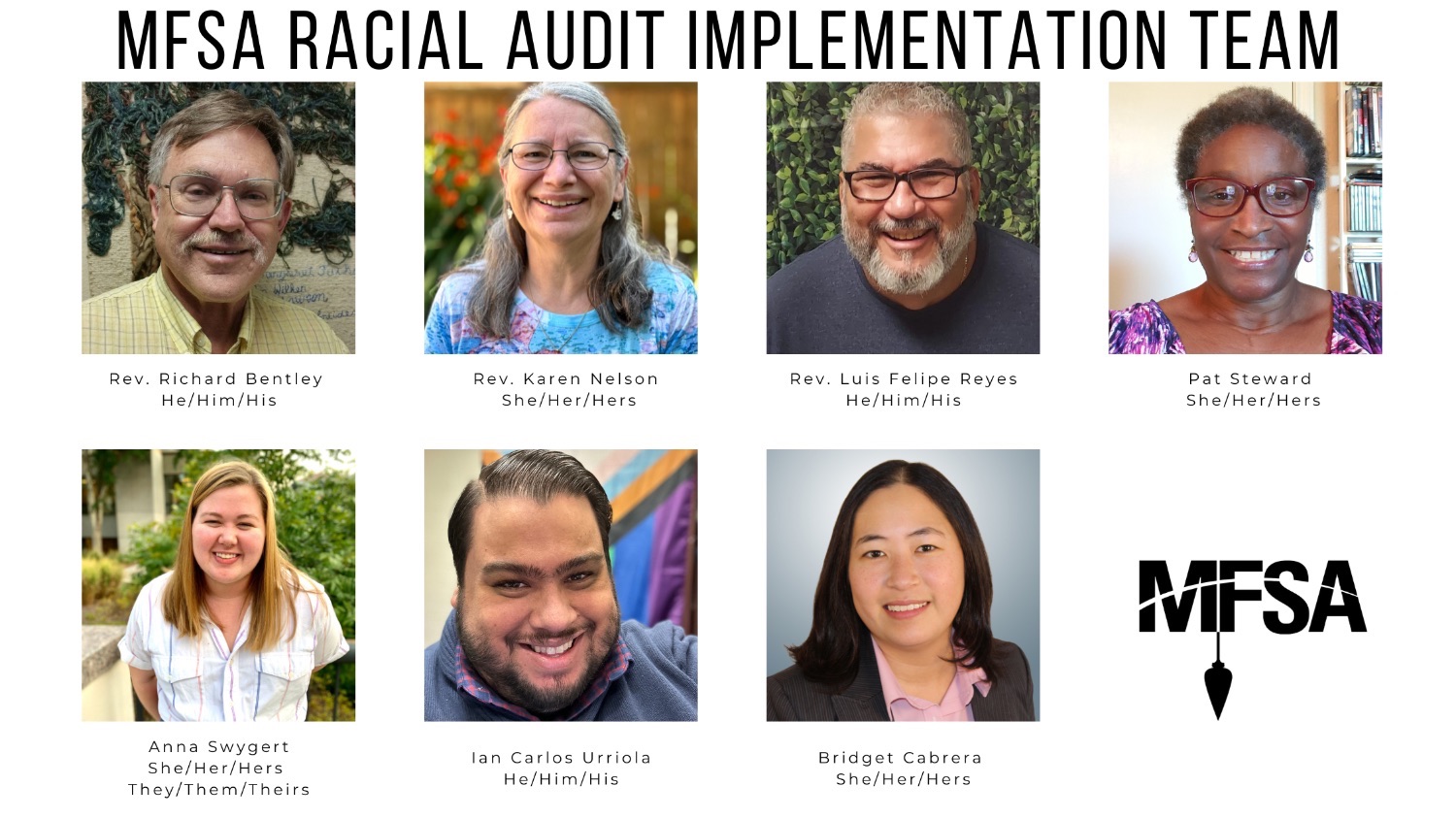 | Racial Audit Implementation Team Update "We Have Not Finished Yet..." by Patricia Stewart Note: In June 2023, the Methodist Federation for Social Action (MFSA) Board of Directors established the Racial Audit Implementation Team to carry forward the recommendations from the comprehensive Racial Audit. This work represents our deep commitment to becoming an anti-racist organization. Patricia Stewart is a member of that team, and this reflection is part of our collective journey to name, confront, and transform the white dominant culture within MFSA. It emerges from ongoing conversations centered on six key themes/patterns of white supremacy identified within our organization. These are the entrenched patterns we are actively working to disrupt as we move toward the liberation and equity we seek. We are sharing these reflections and insights publicly with our movement because accountability, transparency, and shared learning are essential to dismantling white supremacy. We know that transformation does not happen in isolation. By sharing our process, struggles, and growth, we hope to invite our broader community into this work with us—offering tools, solidarity, and space for mutual reflection as we continue building a more just and faithful movement. In the Methodist tradition, justifying grace is one of the ways God’s grace moves in our lives. It refers to the moment when a person accepts God’s offer of forgiveness, and through Christ, is reconciled with God. This is not the end of the spiritual journey, but rather a turning point, a reorientation toward new life, community, and justice. Justifying grace reminds us that while grace is freely given, it calls us into ongoing transformation. As a member of the original Racial Audit Task Force, I learned a lot about the history of MFSA. I studied documents, read interviews with those involved in the past, and helped conduct a survey of current participants. Throughout all of this, I learned MFSA was — and is — not perfect. As an organization, it has at times been a strong vehicle for justice, but at other times... | | | | | | | | | |  | Call Your Representatives and Demand Accountability We are reminded that respect for the office does not mean silence in the face of harm. Our democracy is under threat, and our most vulnerable communities are at risk. Now is the time to speak up—call your representatives and demand accountability. | | | | | | | |  | MFSA is now on Bluesky We've noticed many of our friends and partners making the move to this platform, and we're thrilled to join the conversation there. Stay connected with us for updates, advocacy, and conversations that matter. Connect with us @mfsavoices.org | | | | | | | |  | | | | | | | | | | | | |  | | | | | | | | | Contact Us Methodist Federation for Social Action
996 Maine Ave SW #307
Washington, District of Columbia 20024
(202) 240-2546
[email protected] | | | | | | | |